
IR TV Review: BILLY JOEL - AND SO IT GOES - PART II [HBO]
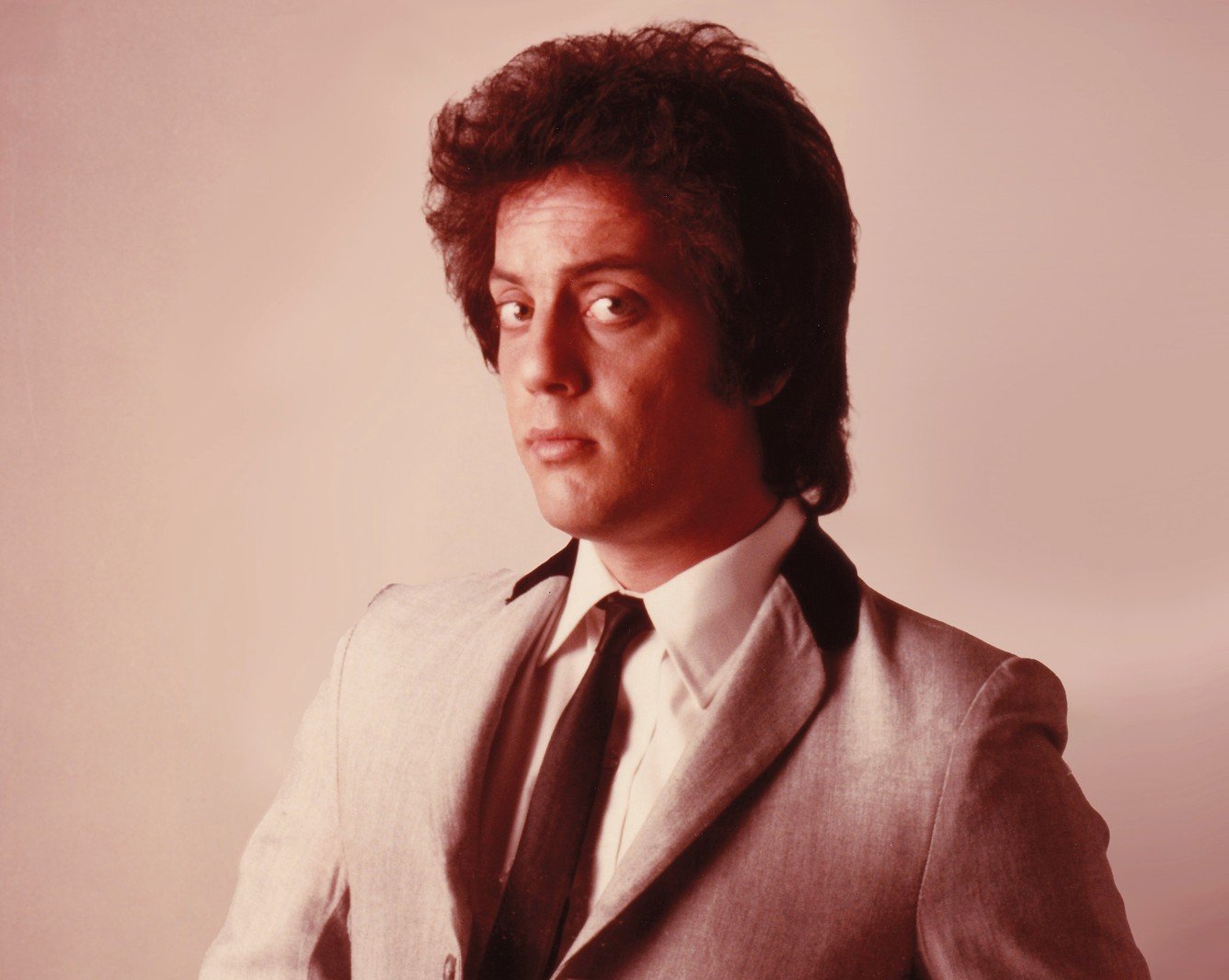
The progression of "Billy Joel: And So It Goes" shows the path of an undeniable songwriter. In Part II, it shows that all our stories are our own. While not as volatile or in many ways as dynamic as the formative path in Part I, Part II explains in certain ways why and the progression of the life of an artist, even in the interim before the return. The hardest aspect to maintain in many parts is relevance. At the end of Part I, fame had caught up with Joel but also in some ways collapsed his first marriage. Here he was at the top of his game and yet his muse had left. Fate always seems to bring certain paths to light. One of his celebrity friends (it might have been Tom Petty) told him about St. Barts. The story from down there as Brinkley relates in her interview sounds like those sweet romantic tales but ones that happen in real life if you circle in that celebrity mix. (This reviewer can speak of a couple times like that in Turks & Caicos and Bermuda). Of course, it always sounds better in retrospect. You can see the joy in Brinkley's eyes as she recounts it. She cries at one point later in the documentary and one could see that she still loves him in a certain way. One could see them still together in their old age. But that was not Billy's path.
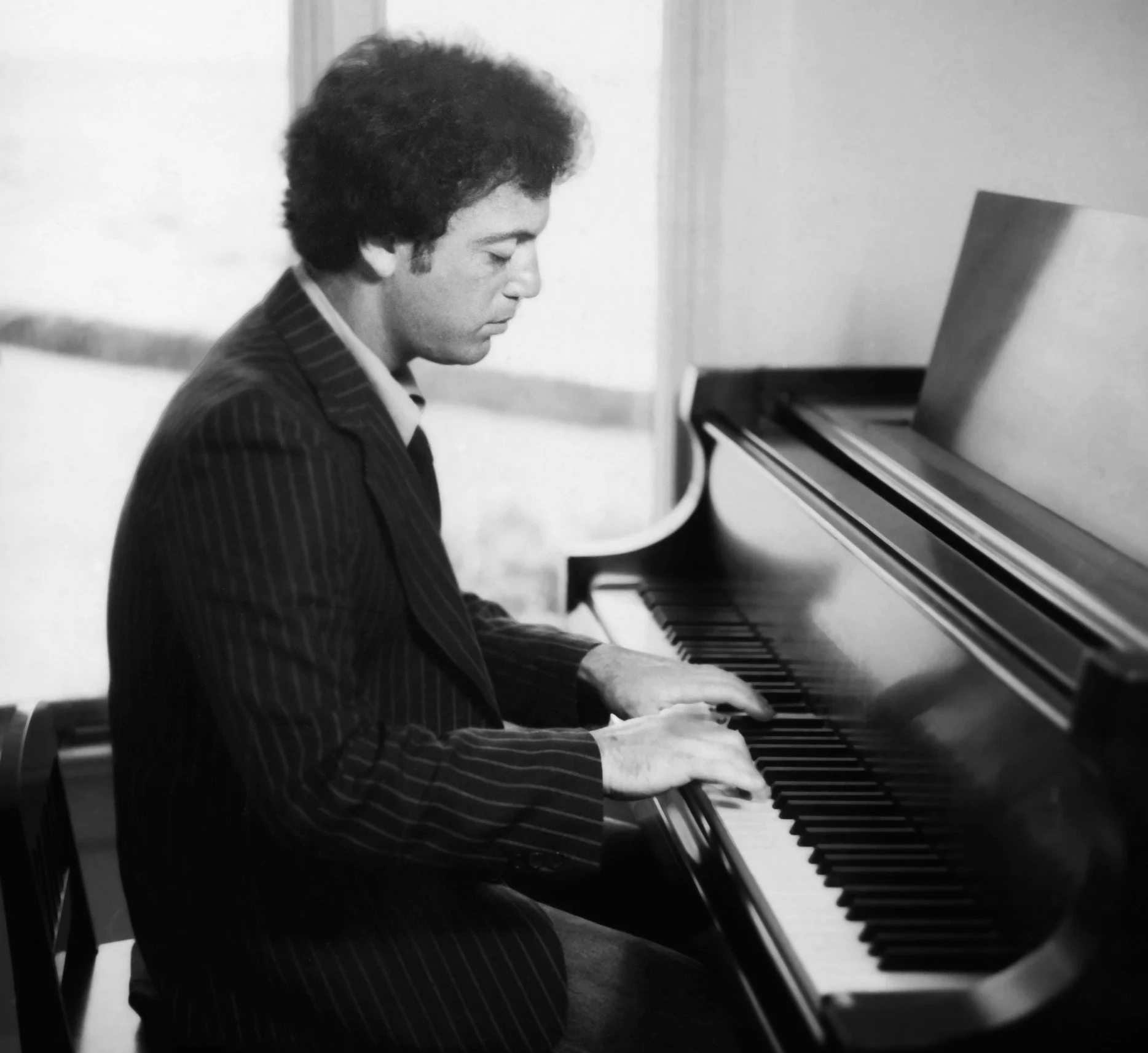
The early 80s are an interesting time since Joel is playing with form. Whereas the first part of the doc focused on those early melodies which are still standards today. some of the stuff in the 80s were more complex and outside himself. "Pressure" and "Allentown" were more dynamic sonically and that had to do with him pushing himself as well and not just the introduction of new technology. This reviewer's first introduction to Joel which then worked retroactively was "An Innocent Man". That album is spectacular start to finish (much like "The Stranger"). But for a 10 year old to listen to that album and be connected says something spectacular about Joel's writing. He was also at that time his most forward facing. Yet around this time with "The Nylon Curtain" he also wrote some of his more somber songs with "Goodnight Saigon" and "Vienna" (which is an ode and reflection on his father). The documentary does reflect back to his ancestry with his father and grandfather's life as German Jews (specifically his grandfather when the Nazis took power). That part of his story Joel has not spoken much of and yet it speaks so much as to who he is (not in a religious sense but a humanistic sense). His songs are not inherently Jewish or of any ethnicity in any way (except New York which could be one of many). This perspective (which he talks about) caused him to, he says, never quite connect once he found his father in Vienna. He does have a half brother and it is interesting to see them talking side by side.
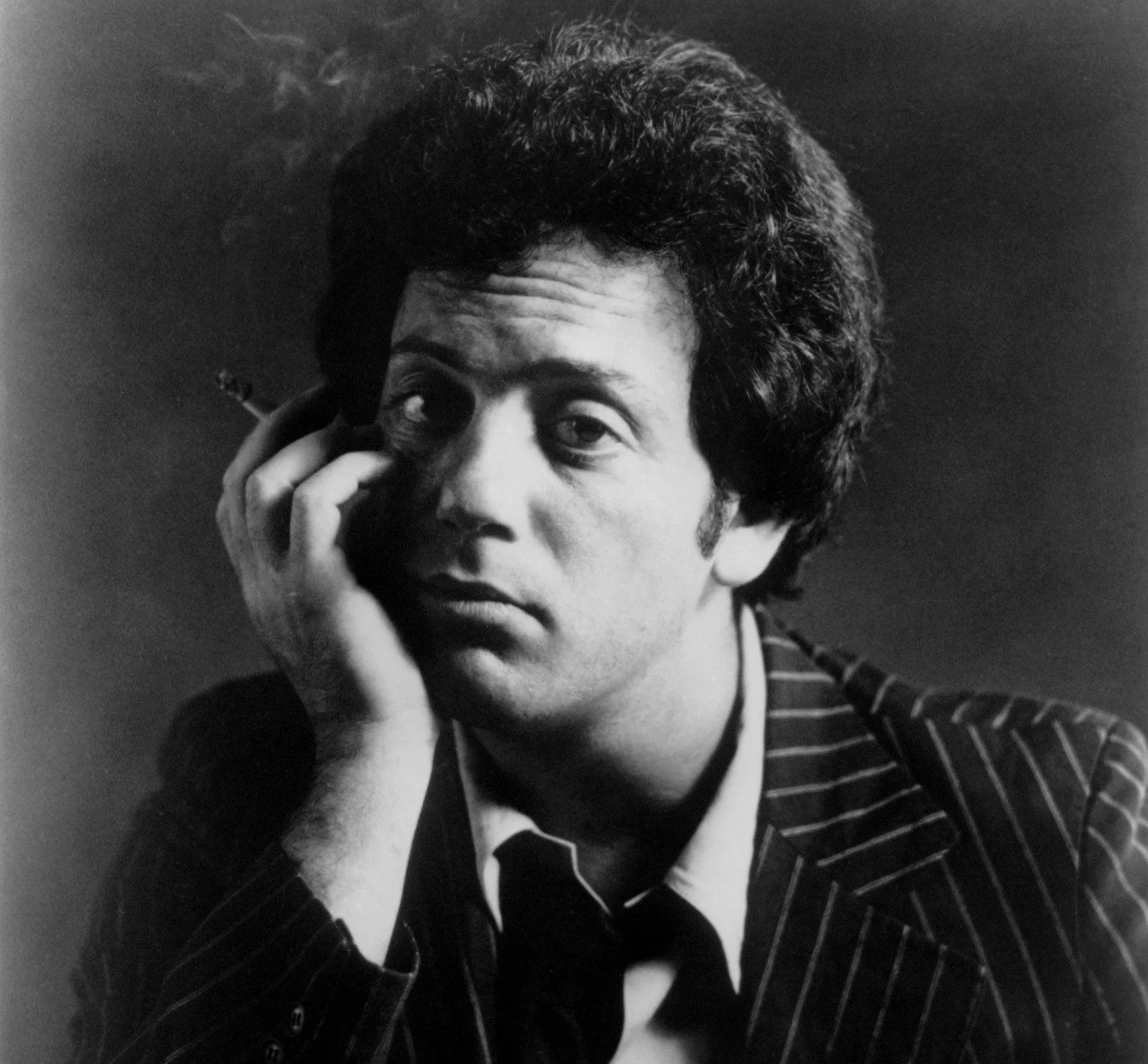
One of the coolest aspects in the inclusion of a lot of the VHS videos that we saw Brinkley shooting at the height of Billy's time in 1985 or so. This is also the time when his daughter Alexa Ray was born. In those videos (there is one of them driving up the coast to Maine), Joel looks so happy and comfortable. It feels like the American Dream. The doc does show when the other shoe dropped and it had to do when he found his former brother-in-law/manager (who took over after his first wife left) seemingly siphoned or mismanaged his money. His first wife had warned him it seems. Like his first issue with his initial manager before he was signed by Columbia, Joel was seemingly too trusting according to Brinkley. And yet one of Joel's undeniably traits is his loyalty (which says so much). That is many ways pushed him back on the road when he says he wanted to stay at home with his daughter and wife. These are everyman struggles and yet it started to get away from him it seems.
It is heartbreaking to see Brinkley tell the story that Joel said at one point when she confronted him after he had started drinking and staying out: "Just go." And yet when Billy talks about it in reverse, he says he became very depressed (as if it was unavoidable). One can see both sides but yet it is still disheartening but it is what it is. No one ever knows what goes on behind closed doors. This all was after "Storm Front" when Joel was perhaps the biggest he had ever been but his music had started and needed to change. And yet some of the music at that time to his daughter: "The Downeaster Alexa" (the boat which he still owns and can be seen in the doc) and "Goodnight My Angel" are beautiful in their longing and distance and yet their intimacy. With his last album in 1993: "River Of Dreams" he tried something different...and it was successful. But then he decided to stop writing songs altogether. This was always a mystery. He explains it that he had said everything he needed to say in his song cycle. This makes sense but for someone that prolific, how does that work? I remember him talking about writing classical music as well as putting out an album but the music was performed by a different pianist. He explains why and it makes perfect sense. He couldn't play the notes the way he says they needed to be played. However, this reviewers never knew that he had given up writing in that way. One always wonders what other aspects he could have accomplished but Joel did it by his rules.
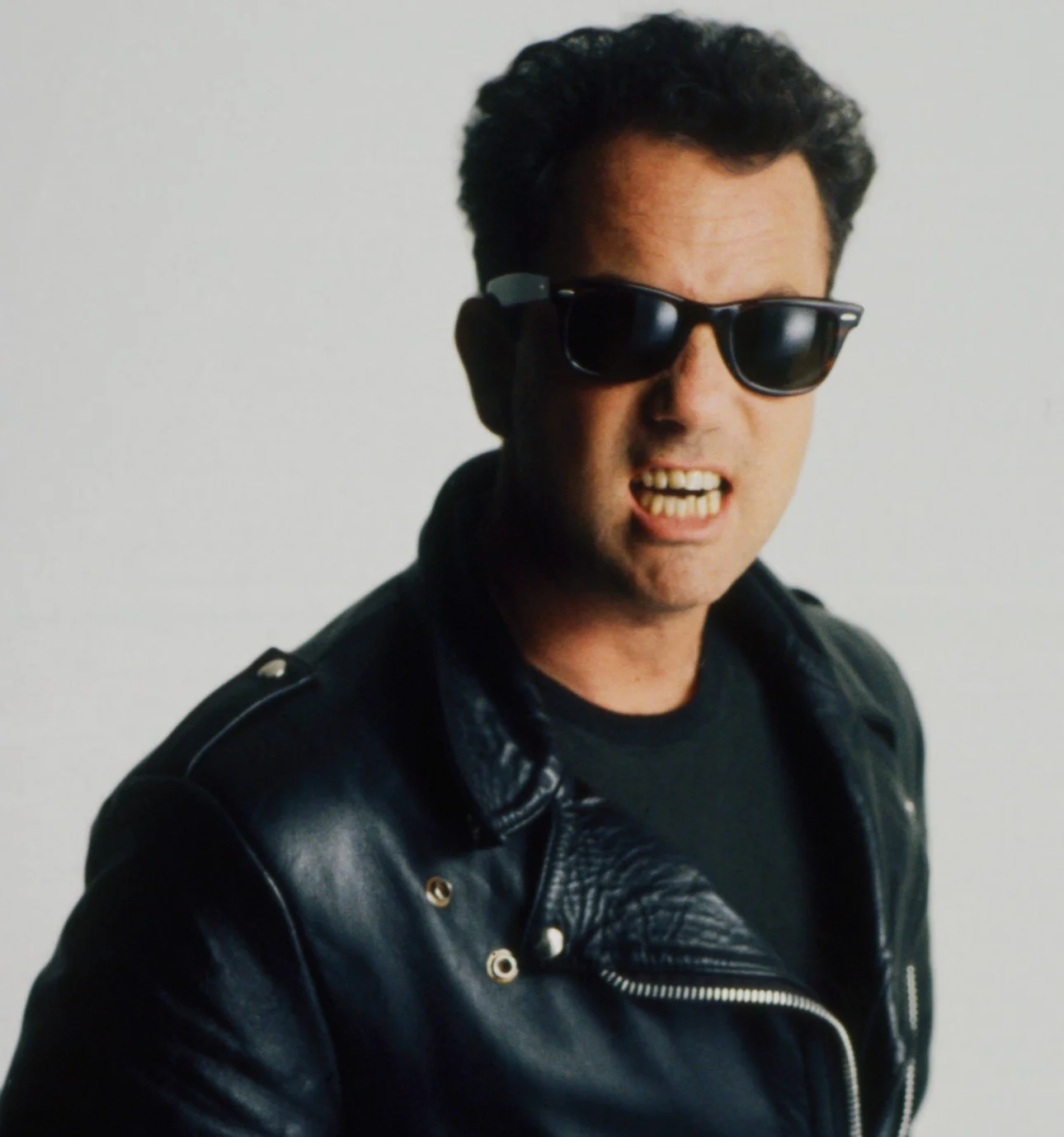
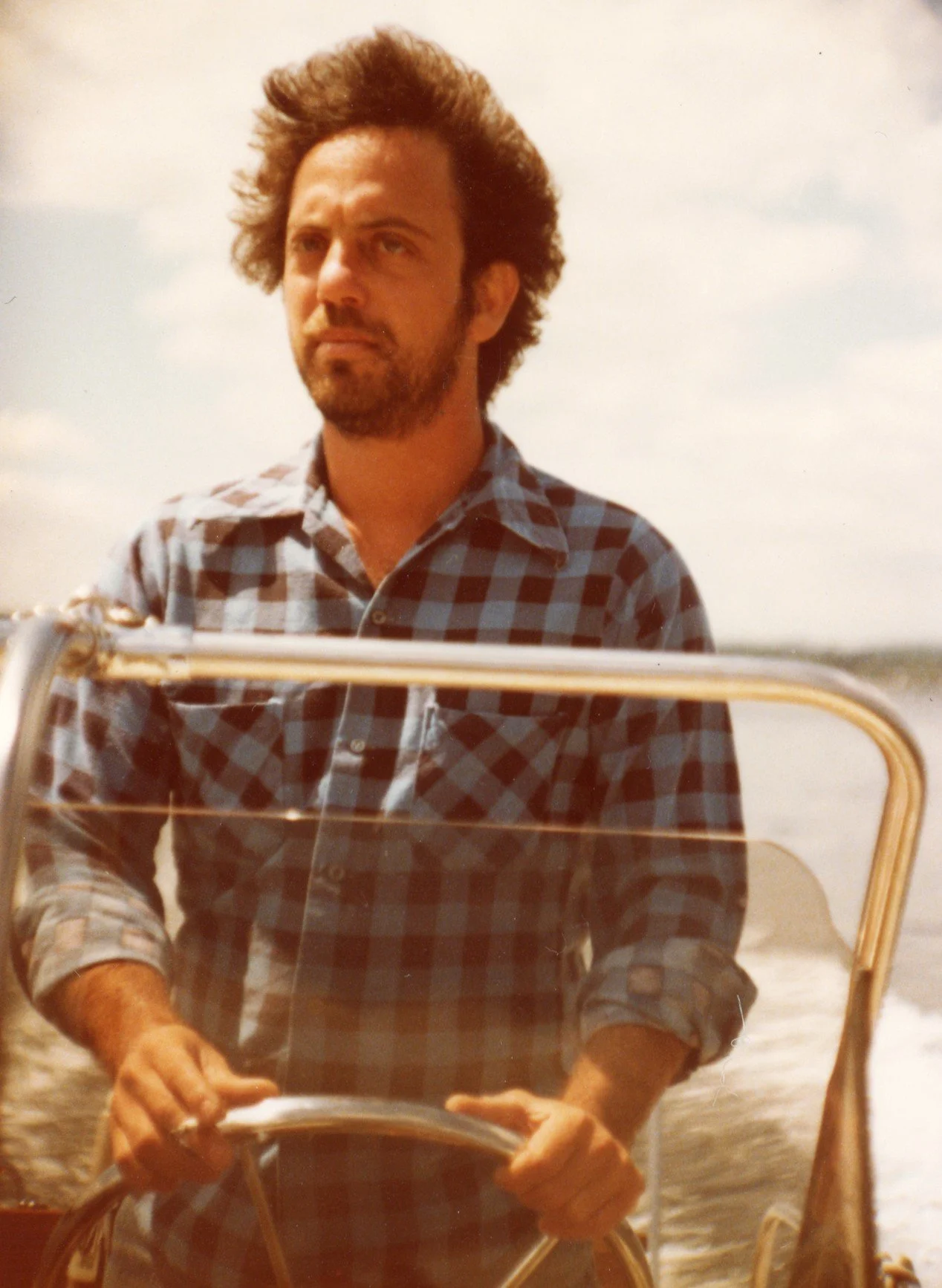
He then did tours with Elton John to make money, married again to Katie Lee, an on air host (that marriage fell apart after a few years). But again, the explanation makes sense. He wanted to be at home. She wanted to be out in NYC socializing. It is about personalities. And then he stopped performing all together. This is when the headlines of him running into a tree in his car and others surfaced. At this point there was perhaps 45 minutes left in the doc. This reviewer wasn't sure if there was enough to warrant that time but that resolution time is what allows the viewer to see the reflection of the man. What it sounds like saved him in a bit (and also showed him how much everyone appreciated him) was when he stole the show at the Sandy 2012 Benefit Concert at Madison Square Garden. That started up a not-long-after 100 show residency over 14 years (which he probably made bank on) at MSG. This documentary was made in the midst of the final part of the residency though he did not reveal that was the case. Joel then got married again to a financial advisor and they have two daughters. Joel doesn't have anything to prove and yet you can see the yearning as he steers his boat. That said, he knew this was the right time to tell his story in his words. But he did it the wat and at the time he wanted to. People had approached him before but as his song says "This is the time to remember because it will not last forever". "And So It Goes" is his perspective, warts and all of a life lived. A-
By Tim Wassberg