
Fest Track On Sirk TV Film Review: LITTLE AMELIE (OR THE CHARACTER OF RAIN [Toronto International Film Festival 2025 - Toronto, Canada]
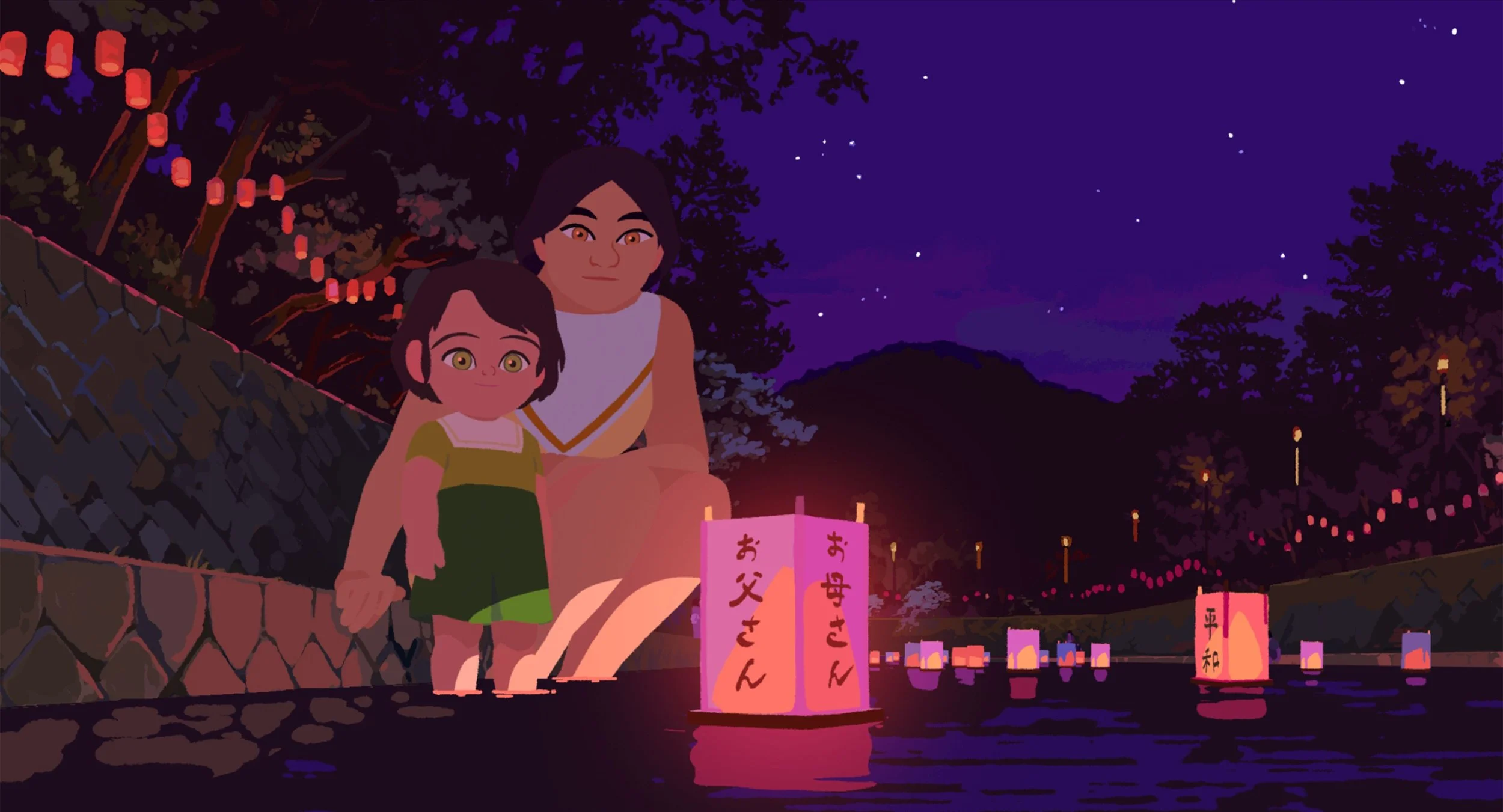
Perspective takes on all forms but sometimes that of child, even bathed in the concept of God is an intriguing dichotomy. With "Little Amelie (or The Character Of Rain)" [Centrepiece], directors Maïlys Vallade and Liane-Cho Han create a colorful, bright and sun-drenched vision of a little girl who is aware of herself from the moment that she is born. She finds herself in Japan but with Belgium parents and a brother and sister. She approaches the world initially with a certain disdain as to why she is put here. But in a beautiful congruence, certain aspects bring her to her humanity from her grandmother giving her chocolate to her Japanese nanny teaching her about broad monsters in the mythology of books. There is a both an edge and a tenderness to the character, before and when she starts to speak. She sees the world is a very specific way. The aspect of feeding carp and how they represent men is visually hilarious but also intrinsically metaphorical. She forms a specific bond with her nanny but underneath because of her Japanese mother, there is a hard bridge to cross.
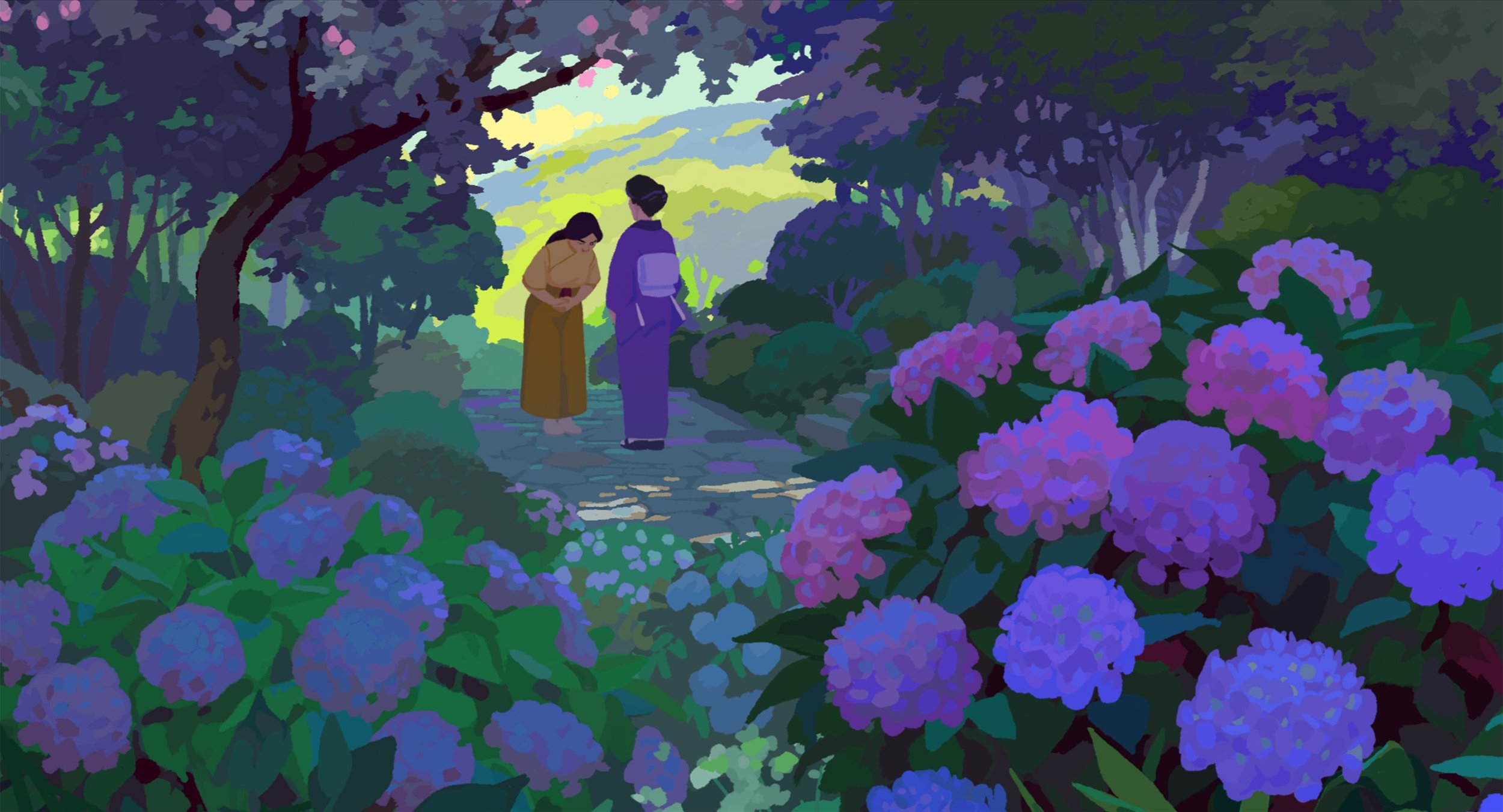
The film is not set in a specific time but one gets that it might be in the 1970s because the older woman talks of the pain from the Great War. While this film is French, it has a very specific perspective. The intent though is in the perception of Amelie and how she hears and sees things. When her nanny shows her name spelled out and how it reflects and actually means "rain", that becomes a visual cue for the rest of the film. The rain makes Amelie feel connected and yet the water also signals something different. We get an indication with the shaking of a house and the parting of water at a certain point that there is a certain supernatural quality to her. This is true of a final progression to the beach. Some malady seems to befall Amelie at certain points but it always seems to work out. The love of her nanny almost overcomes that of her parents since there is such a connection. Amelie believes she is Japanese and doesn't understand that changing distinction or the concept of mortality which she struggles to remotely understand. Yet as the seasons progress and she begins to grow up, the concept of God or that omnipresent thought becomes secondary. She just wants to live and be human... because that is what she was all along. B+
By Tim Wassberg