
IR TV Review: STAR TREK - STRANGE NEW WORLDS - EPISODE 6 (“The Sehlat Who Ate Its Tail”)[Paramount+-S3]
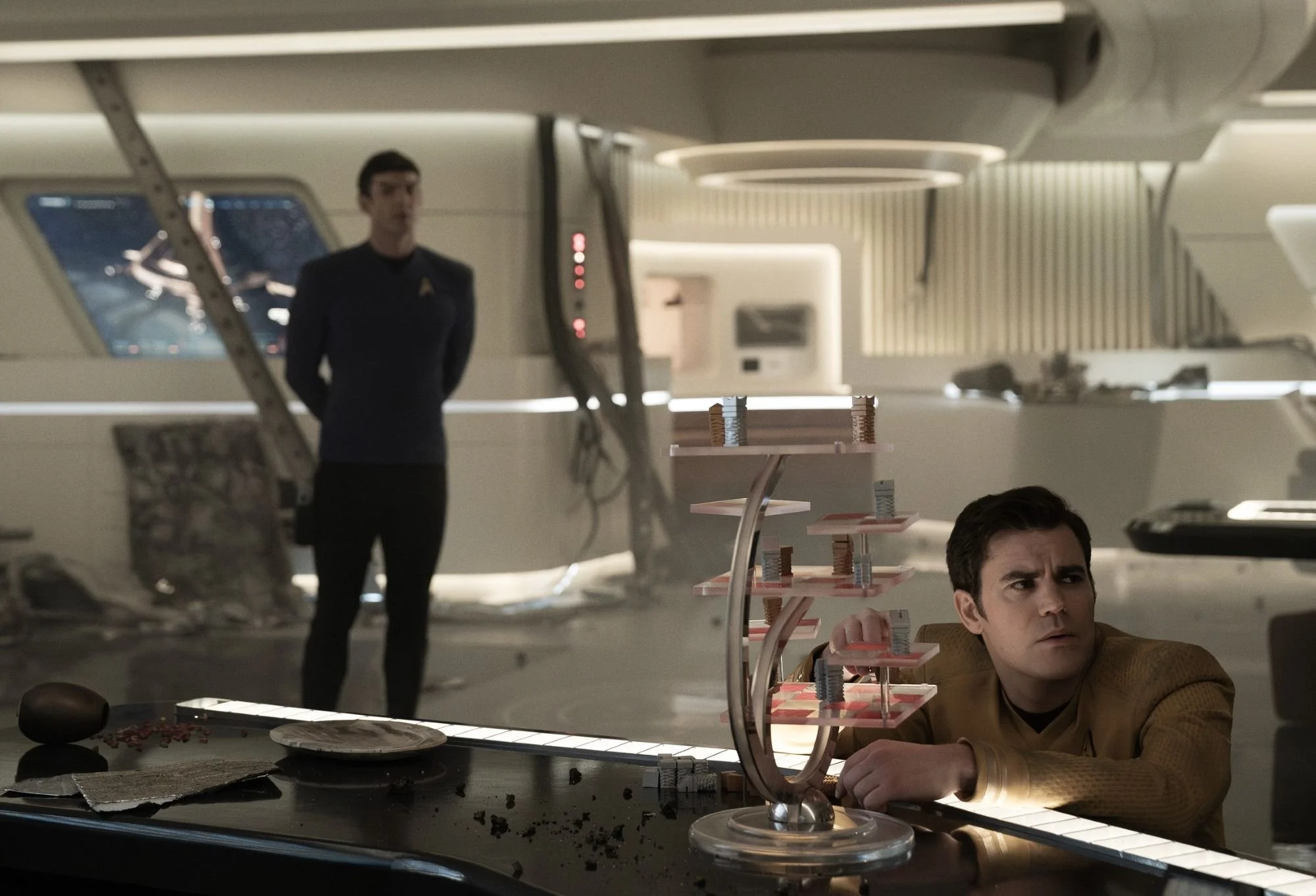
With any great episode, it is about overcoming odds but realizing a sense of loss. With Episode 6 of Season 3 of "Strange New Worlds" entitled "The Sehlat Who Ate Its Tail", the progression feels as close to TOS as few episodes have been. Granted this is because Lieutenant James T. Kirk finally gets a taste of command but not in the way one would think. It all reflects in perspective. The way the episode plays out underscores the man but also places him in a different structure than the Kelvin timeline if you will (even with certain narrative details). This progression is actually more in tune despite some canon breaks. However there is a universe where all can exist. This episode allows us to see Kirk in a new light while still understanding what came before. They come up against a hardened foe with seemingly no mercy. The writers could have gone certain ways (there were many possibilities) but they went an exact way that did something interesting. Like "The Doomsday Machine", it both showed an obstacle to be overcome but also using thinking out of the box while optimizing what is at hand. The story splits the crew but really specific which ones are on board with Kirk and which ones are not, almost as a show of foreboding.
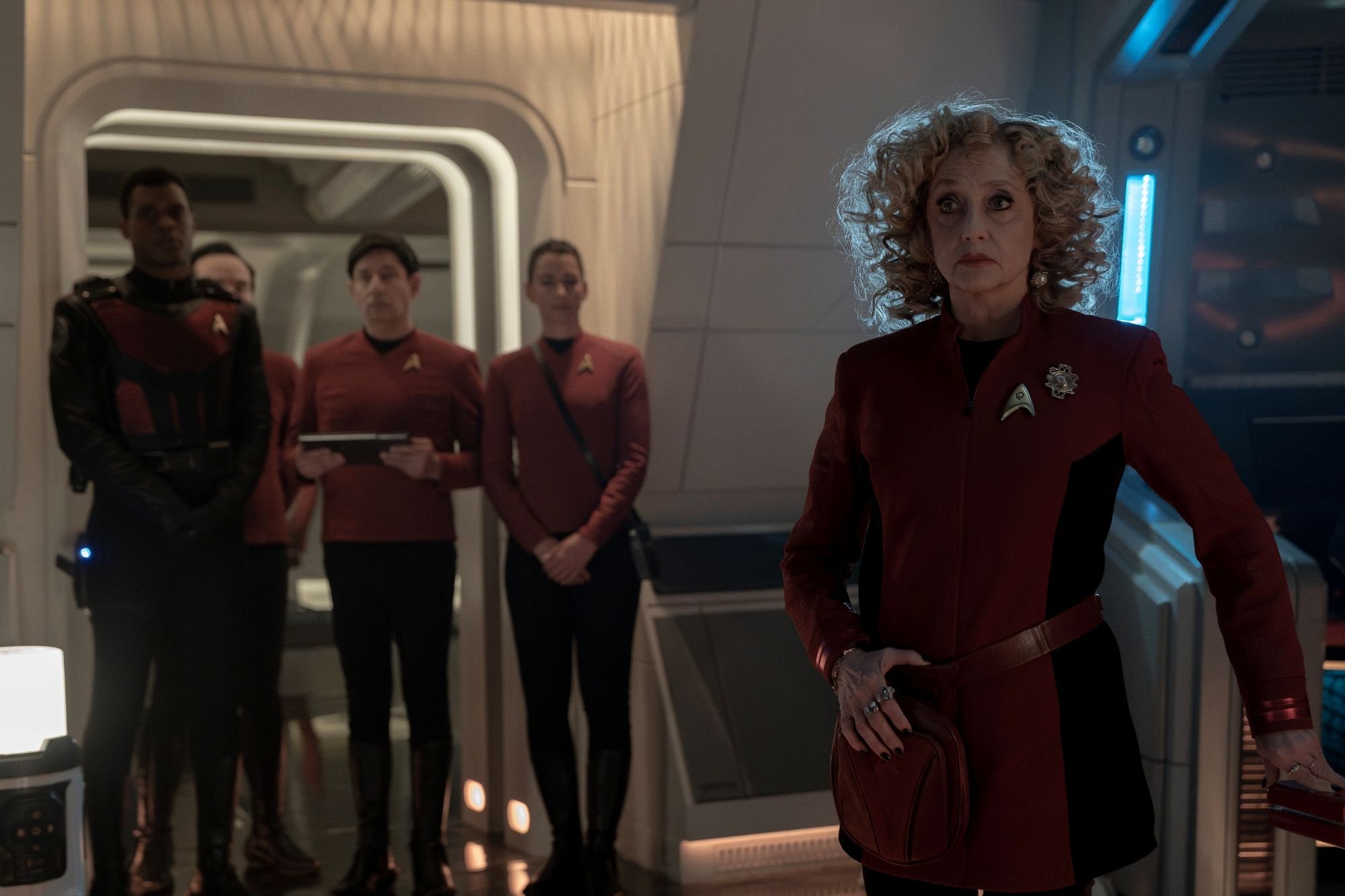
At first, it almost harks back to the first new Star Trek in 2009 because of the big baddie (or even to The Animated Series) but it chooses to do something different. It brings Carol Kane's Commander Pelia more to the forefront as she has been alive for thousands of years (which is only sparingly mentioned). This brings to bear an interesting analog aspect that again shows Star Trek at its best which is thinking outside the box. One scene inside Pelia's quarters with the reaction of Dr. M'Benga is great. The episode also allows for an interesting and focused scene between Kirk and Spock at one point which is set up on purpose but its reasoning happens organically. On the Enterprise, which is fighting a different battle than where the main story occurs, it is less dynamic but also feeds into a certain idea of what avenue is the best despite the risks. The series uses a very specific geography which doesn't function like Star Trek usually does but almost employs the "Wrath Of Khan" submarine metaphor and logistically approach to it. It also features a great wrap up which both talks about empathy and necessity but also leadership style especially between two specific characters and that last scene lifts the episode higher because it has wider ramifications...and yet the episode, unlike others this season, operates on its own, even if you only have the TOS inferences. A
By Tim Wassberg