
IR TV Review: SPARTACUS - HOUSE OF ASHUR - EPISODE 6 (“Empty Things”) [Starz]

After the climactic element of Episode 5 with "Goddess Of Death", the balance comes in the element of Episode 6 of "House Of Ashur" in "Empty Things" as the consequence and build of the backside of the season becomes specific. The Syrian sees his opportunity and tries not to be too bold. One can see his measured actions and yet there is opportunity and possibility and yet the levels of power do not erase certain elements. But ego always tips the balance. This does build into Cornelia (which Faraday, who plays Ashur, mentioned to me in interviews for this season). She uses that power over the Syrian sometimes in the most shameful way possible showing that he is barely a rung above those who fight for him in his house. This is completely and brazenly shown in one scene. This is something interesting that this series incarnation does even differently because you feel empathy and concern for Ashur and yet his days are numbered no matter what he does.
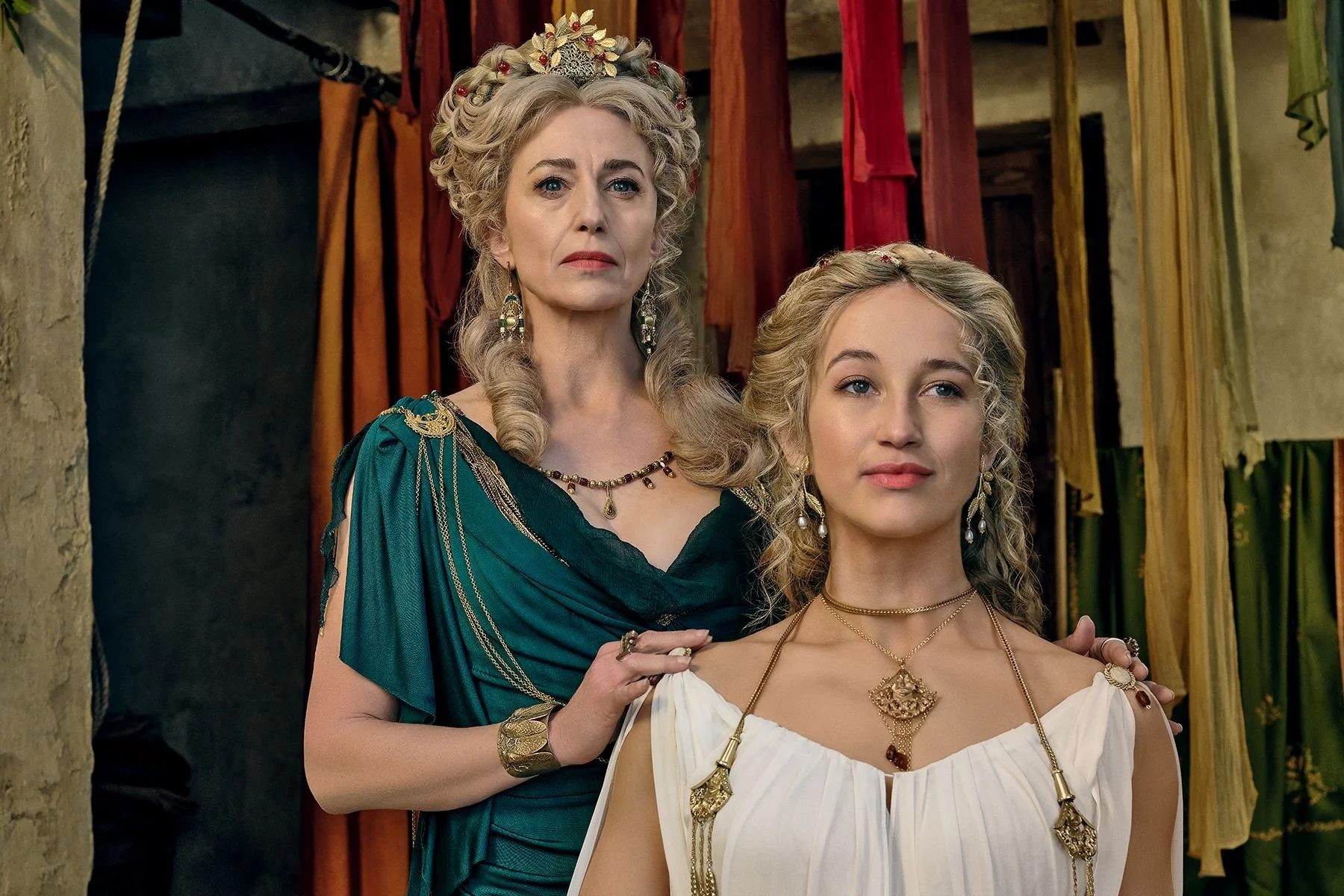
But even as Achillia is recovering in a way, we see interesting moves for Viridia as well as Korris in their own ways in relation to Ashur. Viridia is an interesting character and plays off an earlier interaction with Ashur very well. The subtlety and yet obviousness of their scene is well played. It shows her possibility leading to power even though (as another battle tinged series alludes to) that can always run astray. Graham McTavish as Korris again plays an specific balance with a unique character though one can get the sense here of a return to primal for someone who had evolved to see things more logically. Emotion can be powerful. The Syrian is bound to bouts of emotionalism since he goes with his gut but the logic of Korris could perhaps serve him better at points. One wrong move can cause a problem which undeniably could undo good, That said, another action could offset this. "Empty Things", as an episode, does this very well resetting the basis leading up to the season finale. One scene between Ashur and a certain Roman magistrate really shows this and reflects some very good writing as well. A-
By Tim Wassberg