
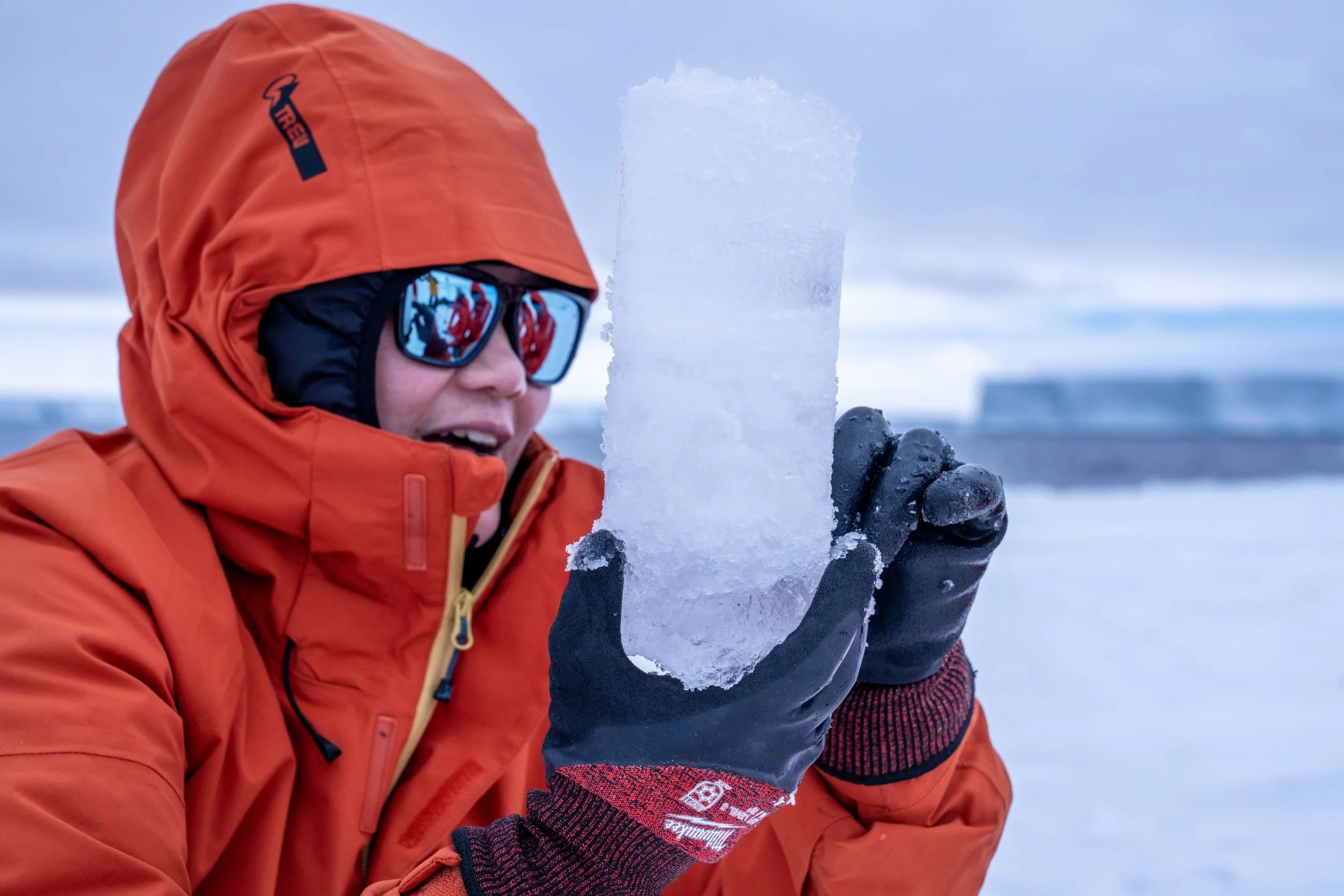
Sometimes a one hour special can have more impact in ways than a multi part series simply because of its digestible quality. National Geographic knows how to do this but also has to key into ROI for its investors since much of the research and expeditions cost quite a bit. With "Expedition: Saving Our Seas", from National Geographic (also playing on Disney+), Rolex helped sponsor the special and in a way probably helped some of the small expeditions especially in the Seychelles or the Indian Ocean but also in the mangroves off the small nation of Cambria in West Africa. The most specific expedition that also takes up the most time in the special is the expedition to the Southern Sea in Antarctica to find hydrothermal vents to support life (specifically they find Krill at very deep depths of 13000 feet) beneath the ice. This transfers to looking for Krill right off New Zealand where the Blue Whale returns to and also feeds. The Seychelles project is smaller but important in that it provides more of a coral regrowing perspective in shallower water.
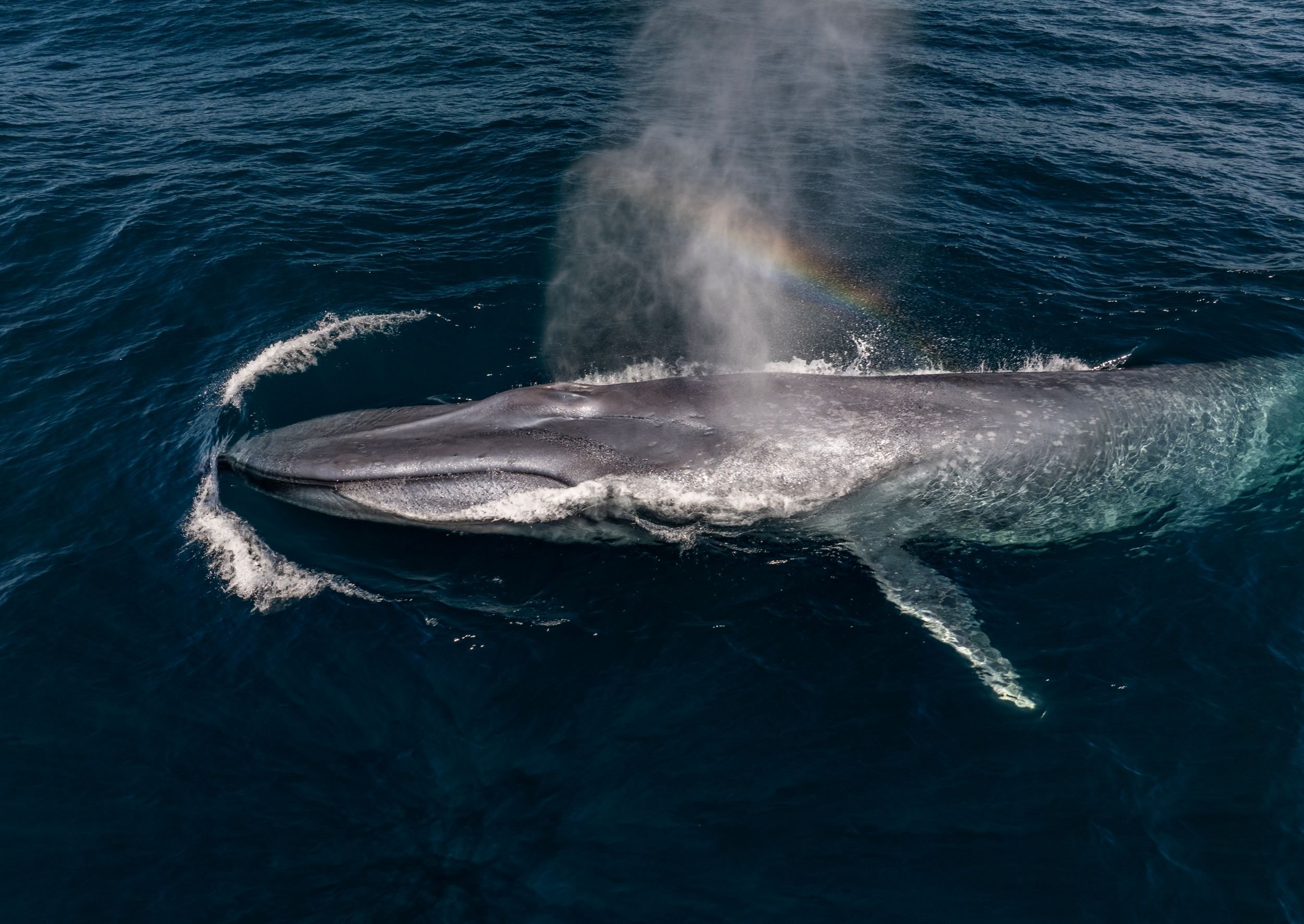
The Atlantic Cambrian coat is intriguing because of its mangrove barriers. This is an interesting parallel to New Orleans whose protection seems to have been more worn away likely by drilling and hurricanes. The West African coast in this way is interesting since that tropical element feels like South Florida but with a much different cultural basis. The doc doesn’t want to point fingers but simply states that the ice is melting faster around the world. This might affect humans in the direct time frame but certain creatures at these depths will always survive (even if others don't). It may take millions of years but life will likely begin again. It is interesting to think about since human existence has been so brief in the history of the world. Whether this is the first time we have gotten to this point speaks about what survives. It is nice to see different cultures working with each other in this kind of perspective but scientists have always been the bridges until the powermongers alienate their intent. But with the proliferation of technology more people can do things. The South Africa team is interesting since they could go out on a small boat and drop a relatively inexpensive probe down to 11000 feet and do research without the enormous price tag. Now creating a solution is a whole different play but showing these initiatives in a smaller digestible piece of broadcast media pushes the needle a little bit. 88%/B/B+
By Tim Wassberg