
IR TV Review: BILLY JOEL - AND SO IT GOES - PART I [HBO]
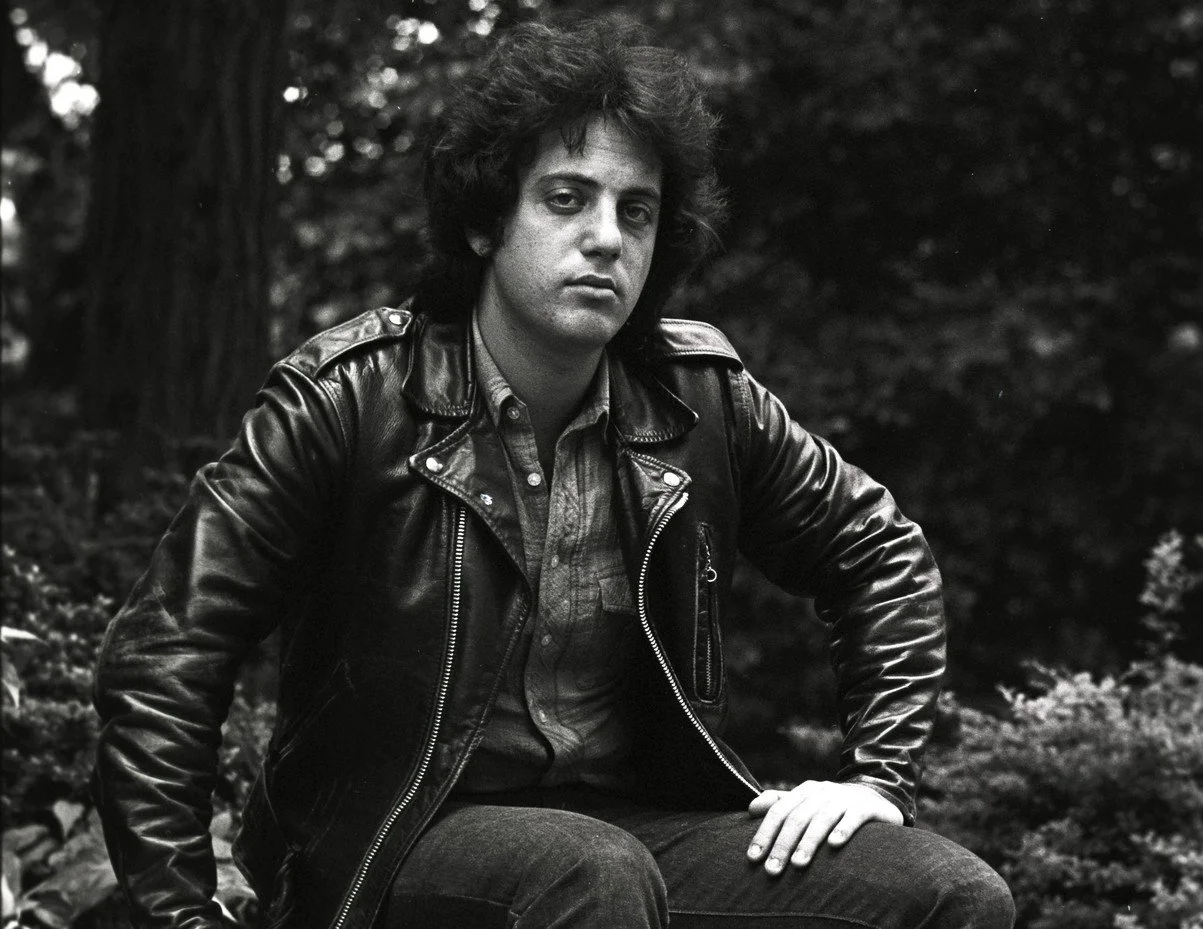
The journey of Billy Joel has always held a spot in the pantheon, especially for Gen X. With "And So It Goes" his story comes in two parts, with each episode clocking in at at least 2 hours. The first part talks about the formative years and the beginnings. Joel himself sits at his piano in his Long Island house. The first shot is his boat the Alexa sitting at the dock. It is a simple beginning but Joel, despite all his ups and downs over the year, likes to keep things straight. This is reflected in his songwriting style and his frankness here for the most part. The very beginnings with a almost du-wop band and a metal band offer an interesting view but also the structure of time he really never spoke of at length which is the affair which broke up his best friend's marriage but also his ensuing suicide attempt. This is something he could have easily avoided in a doc but he seems to have known that, because it is what fueled a lot of his songs, it needed to be addressed.
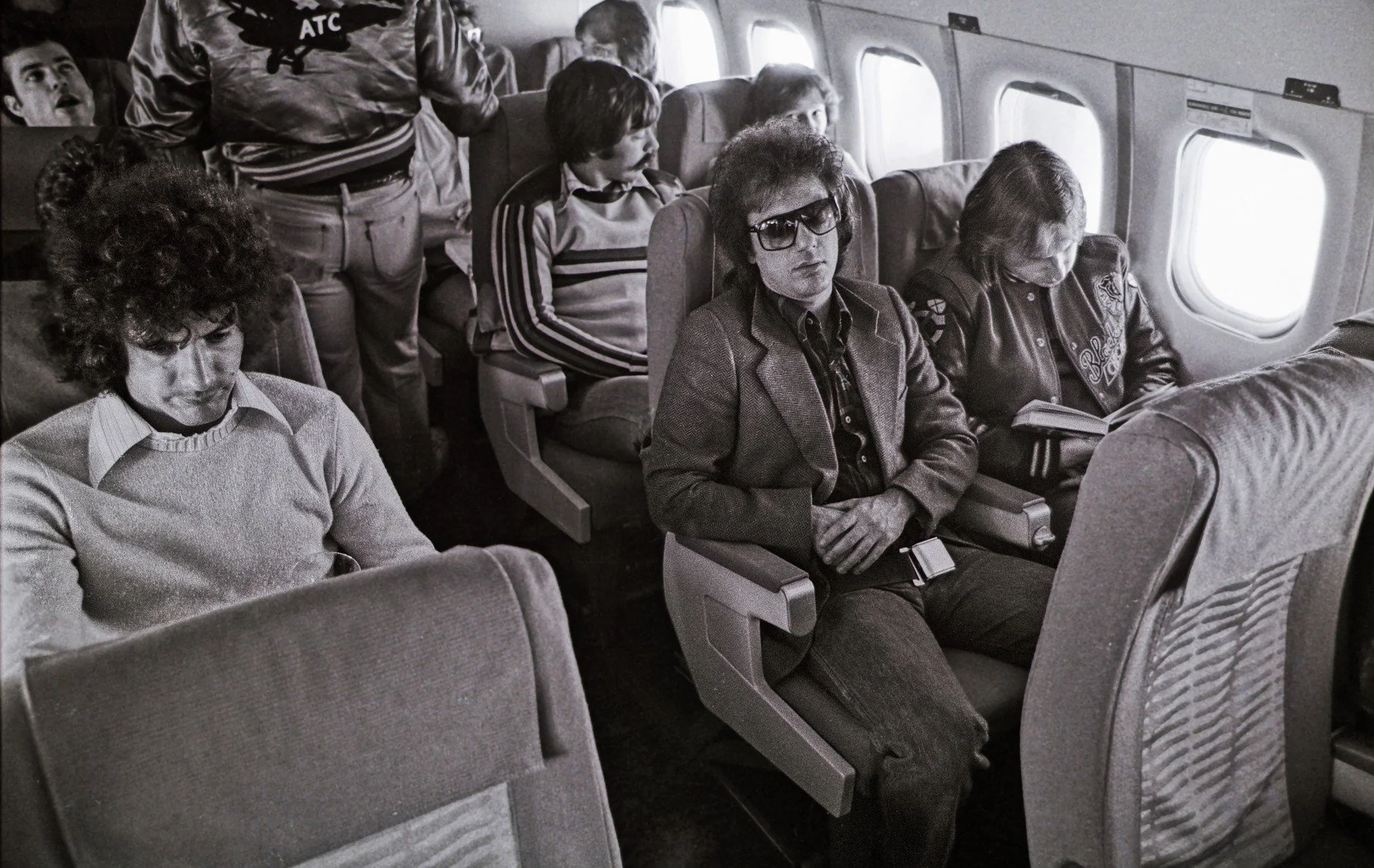
Only one time does he back off on a answer and he makes a joke which still gives it an authentic reaction. What is so true which shows its heartbreak as it goes on is his marriage to Elizabeth Weber. He was best friends and bandmates with her first husband. This was the affair spoke of. Gabler left and Joel didn’t see her for a year. Joel ended up in a mental institution (he admitted himself for a short time) before finding his way back to her. The music intention was stops and starts. The doc doesn't pull back on the awfulness of the music industry at times either. What happened with his first album and how what he was going through it shaped his music. It is so lyrical as not to be understated but yet many people just heard the pop. The directors are very keen to not either overshare talking heads of Billy or the other people. Actually Weber herself is the one who actually talks the most.

The use of archival footage and alternative takes of the music is really great. The archives seems to have opened up for this. For a Billy Joel fan (which this reviewer is), the first part of the doc at 2hr and 27m is a revelation and doesn't feel that long at all. What is nice is that it really moves through each album and the songs without losing its perspective of why it is While there is no footage and just some photos, the performance at Carnegie Hall was key to getting Phil Ramone on as a producer which vaulted "The Stranger" to success. Gabler also became Billy’s manager while he and his band really brought together the lifestyle. She had a son from the first marriage but she and Joel never had a kid in their 8 or so years together. But that is probably because of the life that was lived. It really comes off that Joel would not be where he is if not for her (both businesswise and as a muse/inspiration for his songs -- good and bad) but also the reverse. And yet it couldn’t last. Not that it was doomed but people draw apart but the reasoning of the beginning, even by the ex-husband, does give it context and closure (which can only happen after decades have passed).

The story behind the songs of and build of "The Stranger", "Scenes From An Italian Restaurant" and "Just The Way You Are" (especially) show maybe what some people saw and Joel didn't. Once he wrote a song it was about getting it out there even if it was problematic (“Stiletto,” “You May Be Right” and “The Entertainer” are good examples of this) . His "New York State Of Mind" story is simple and yet epic. Hearing Springsteen talk about him is interesting. The Boss who is communicated as New Jersey knows that Joel is considered New York and yet Billy’s time in California obviously influenced his songs undeniably. But he could never be one of them (and yet “Piano Man” and many others were inspired by that). Hearing McCartney tell the camera one song he wished he had wrote brings it full circle since there was a love of Joel for the Beatles (as well as Led Zeppelin). The fact that Joel almost did an album with producer George Martin (but turned it down for one specific reason) speaks to his loyalty.

But as Joel’s fame grew and the drinking and partying that simply is the consequence of success and the connection with his New York band created created certain friction especially with the love of his life in Weber. The idea of separation and friction ended up in his songs too. Joel is not a perfect person...he admits that…but that is what makes his journey all the more relatable...and this was just part 1 of 2 but it does create the ground work. We also do see where and how he grew up including his aunt and sister but also the idea of his mother and father and how that drove him. The directors smartly bring this back about midway through Part I. It is a very smart structure adjustment. Joel had a unique talent but he wasn't a good student. You have to see his first steps in the industry to make his childhood completely relevant.
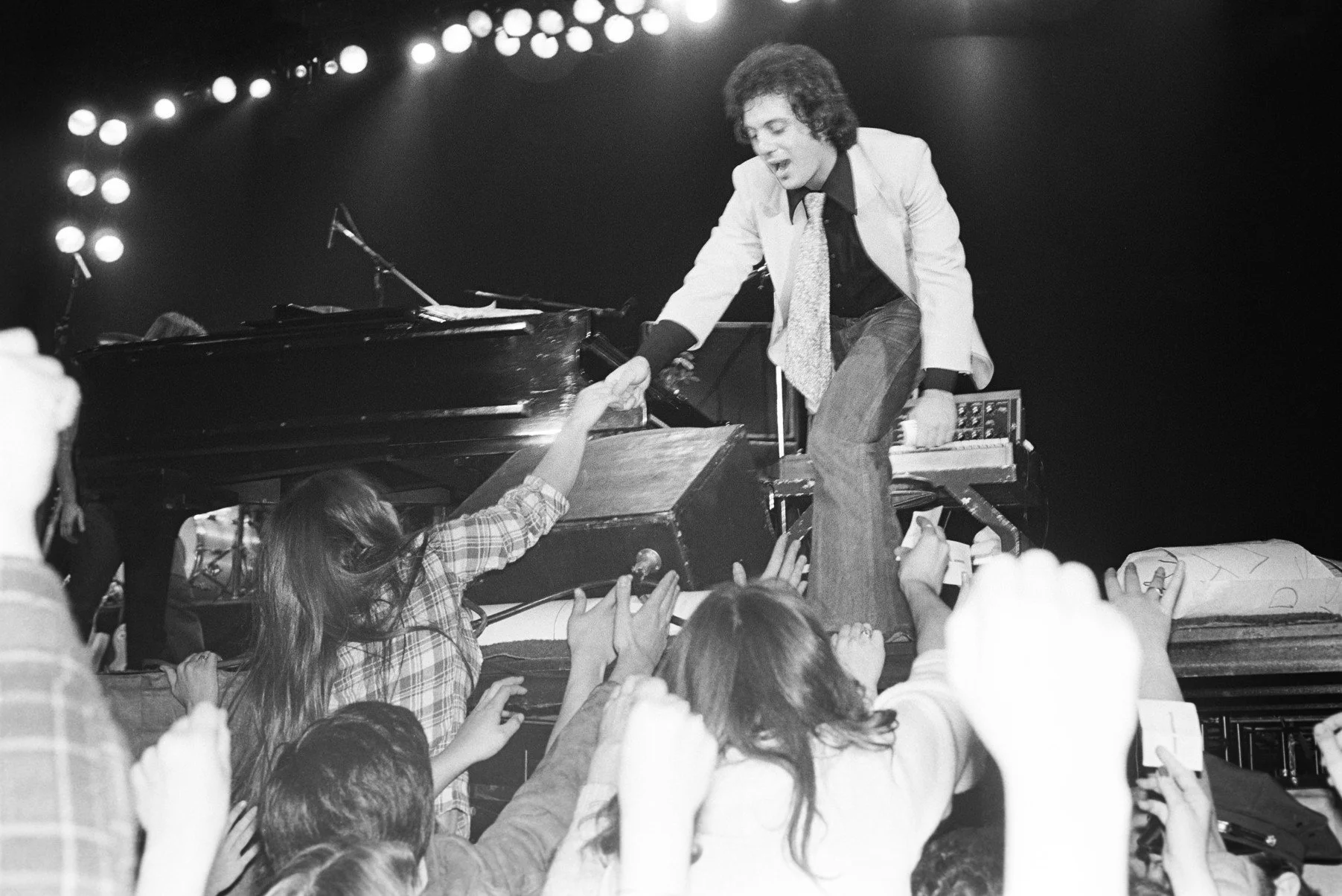
What is interesting in the early 70s was also his comparison to Elton John and how he explains the differentiation without any kind of snark. Joel definitely wanted to do things his own way and it seems from the get go he suffered some financial set backs along the way (which was just naivete on his first record contract) but it bit him in the ass for years to come. As the first part of his journey up to 1980 comes to a close he had that journey in the 70s that many don't survive but in his songs there is such a caring and sensitive soul (maybe not a tortured as most) but one that went through the wringer and come out again. As he steers the Alexa (which the story behind that will be in part 2) in the last shot of Part I, there is a sense of peace in the man, of possibilities lost, achievements gained and life lived. A
By Tim Wassberg