
IR Film Review: THE DEVIL WEARS PRADA 2 [20th Century Studios]
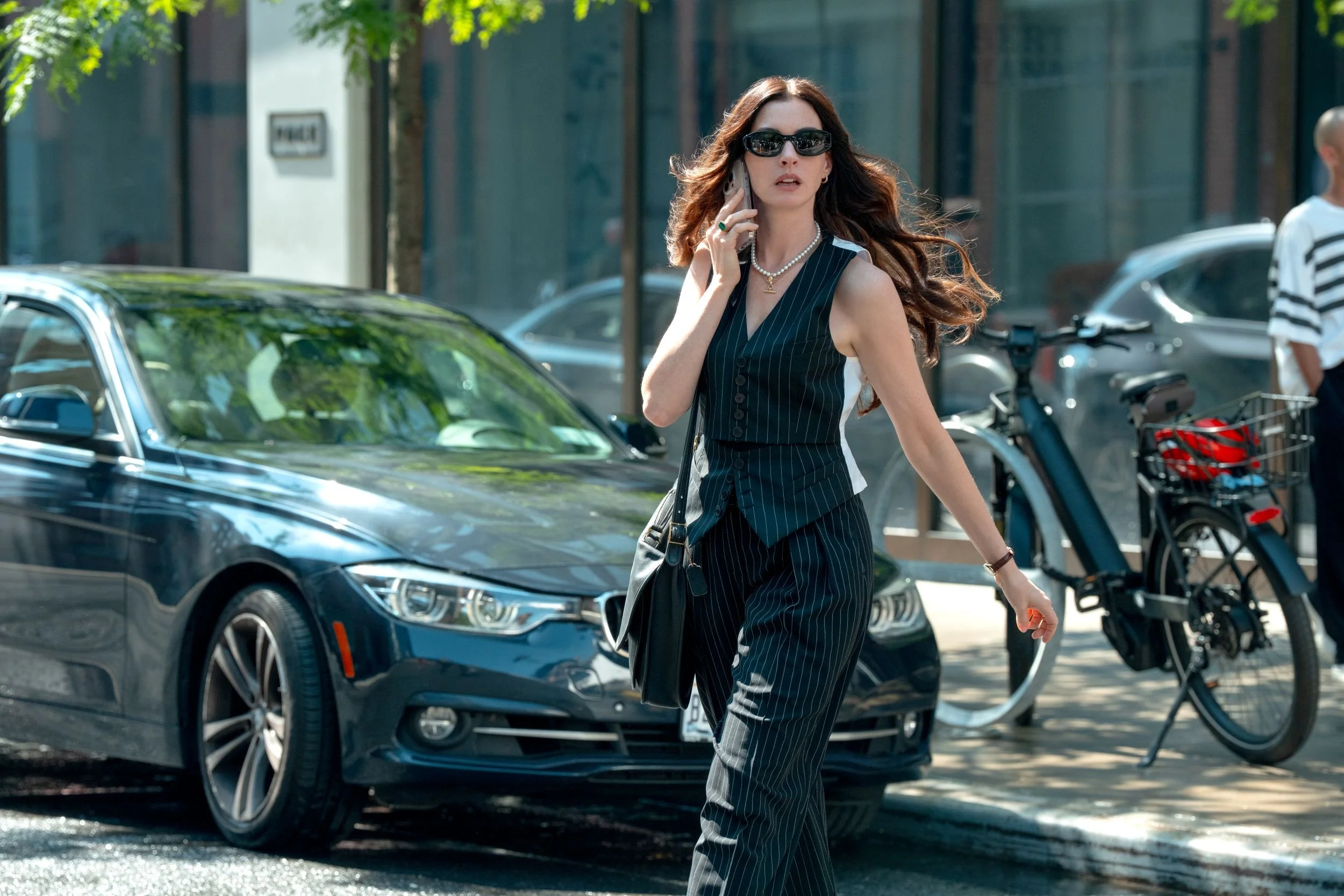
The integral structure of "The Devil Wears Prada" is understanding the path if not leading the path. The first film, which is 20 years old, spoke of a certain idea before influencers. While the new film doesn't hit that right on the head, it does talk to the digital and click based idea encapsulating modern journalism, even within the fashion industry. The sequel benefits greatly from time because it allowed the characters to live life or reinforce what they are. Loosely based within the original movie on Anna Wintour, Streep moves the character of Miranda in the same circles but it is a different world of cancel culture and advertising and the film doesn't shy away from it. What the film captures very well is that no matter how old you are, you can still feel like the underling under someone's thumb. Anne Hathaway and Emily Blunt (especially) have become celebrated actresses in their own right but it is amazing when Streep starts moving in the circle, how everything reverts in certain ways. Stanley Tucci as Nigel also allows this to happen.
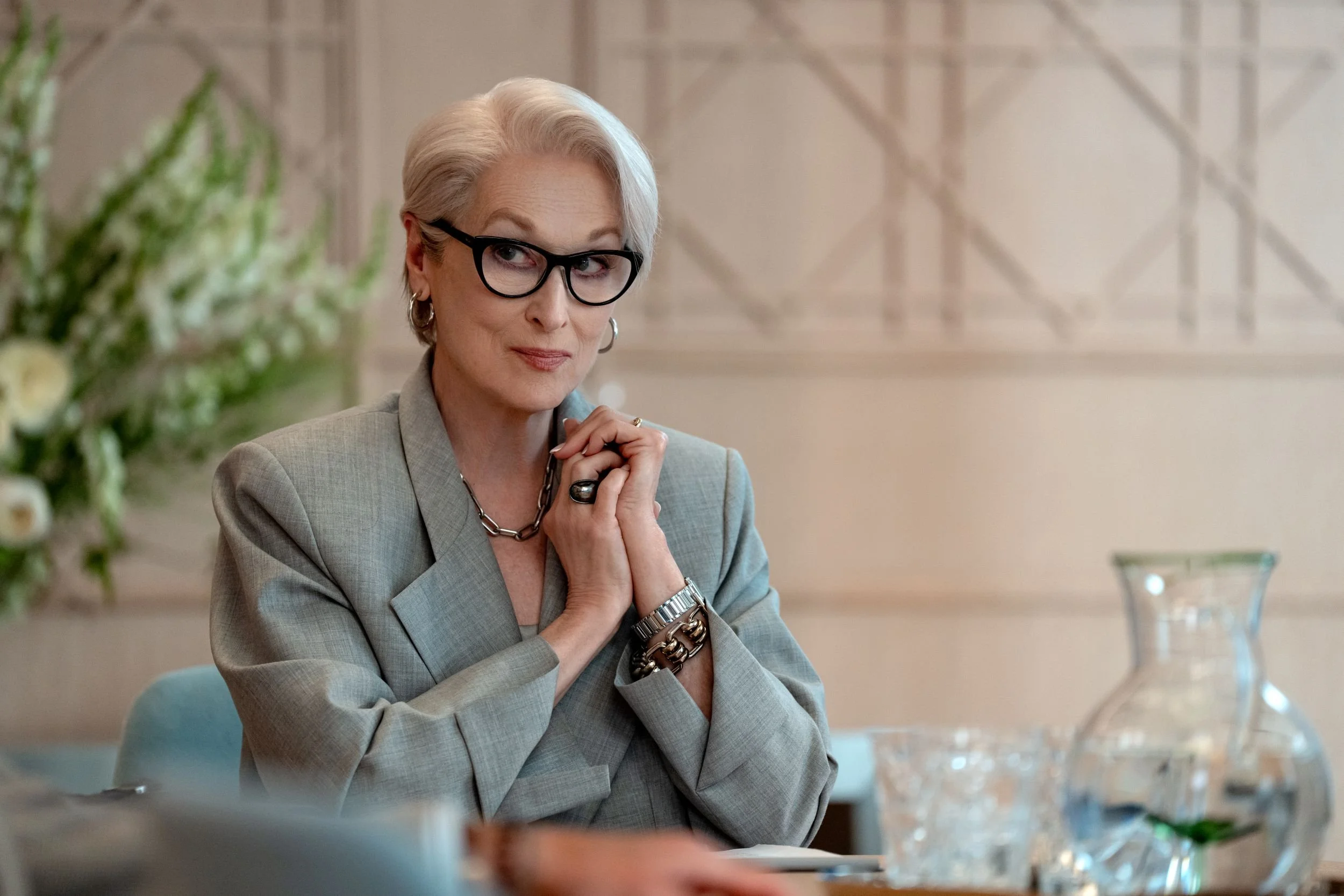
One of the most beautiful scenes in the film starts off as a two hander between Hathaway and Streep in Milan after a very specific but well scripted baseline of power moves before it moves to Nigel behind the scenes. It is a simple scene but what Streep does with it and how Tucci reacts is as much of a love scene in a way that "Out Of Africa" was. It was about time but also simple intimate gestures in a large setting. Director David Frankel then has a sweeping shot outside in the high fashion shops in Milan with Streep all alone which speaks volumes. Tucci is pitch perfect even to the very last shot and quip which is beautiful because it makes everything work and reflects both time and stakes. And like in the first one, Streep lets her guard down once (actually twice) as Miranda to Annie and you see the little girl come out of Hathaway which is a beautiful thing. It happens also briefly during a Hamptons scene. This would not have been possible in the first film which is key to certain aspects here. It is similar but different.
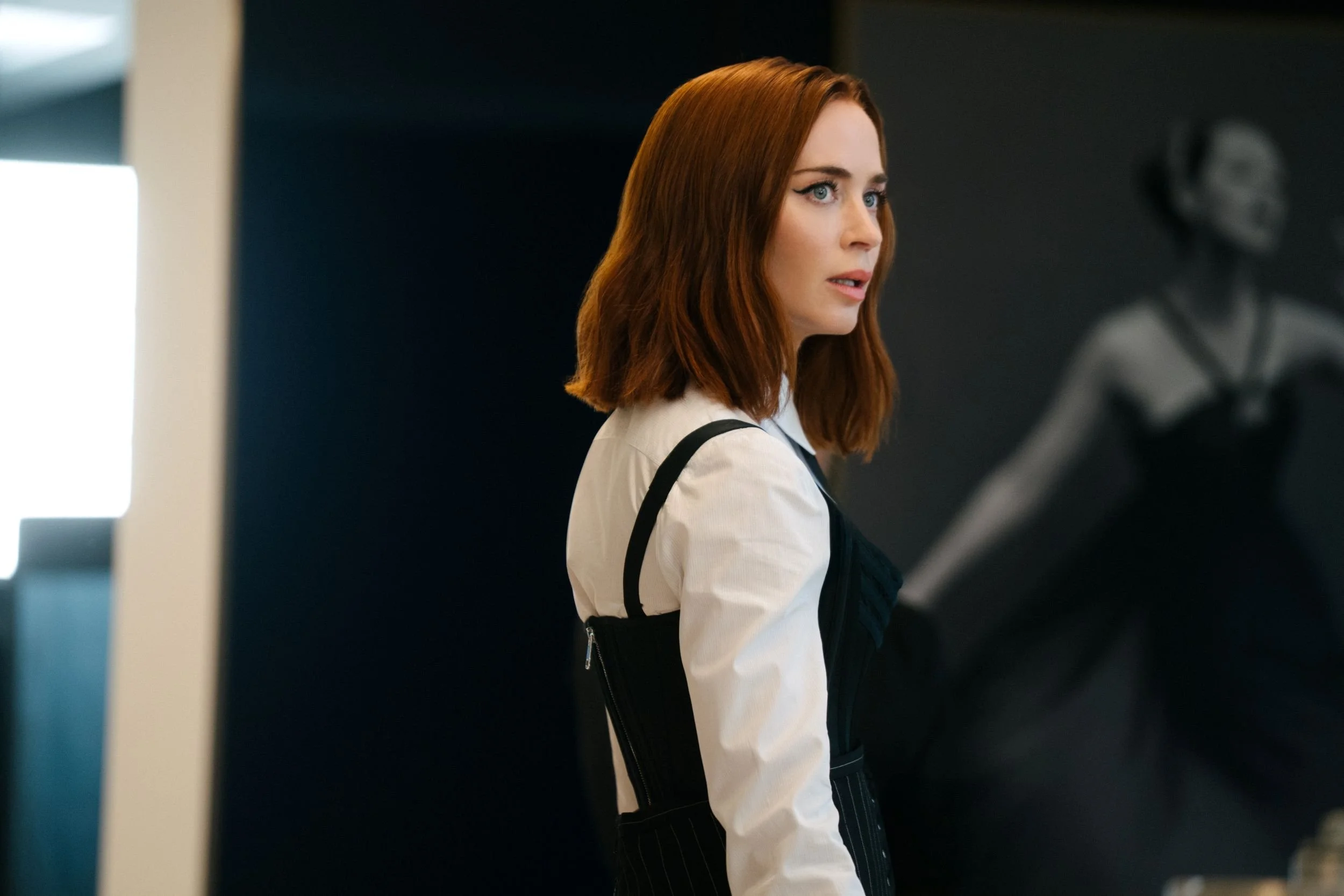
Blunt is of course a big part of the plot but is almost in the periphery but she is a big enough girl that she understands the importance of her character being there even if it is not central. Justin Theroux as a financier of sorts is good but overplays it way too much, providing the only slightly uneven part of tone. On the other side though, Kenneth Branagh (who doesn't often take roles he is not directing) plays the husband to Miranda where we get to see some of his subtle comedic chops as a debonair older man. One scene in Milan has Miranda coming back to her hotel/apartment and Streep does some very simple details/movements taking off her earrings and shoes but the way she does it says so much and then Branagh comes over and talks to her. A very simple scene but with a power that you don't often see in films, even would be dramas today.
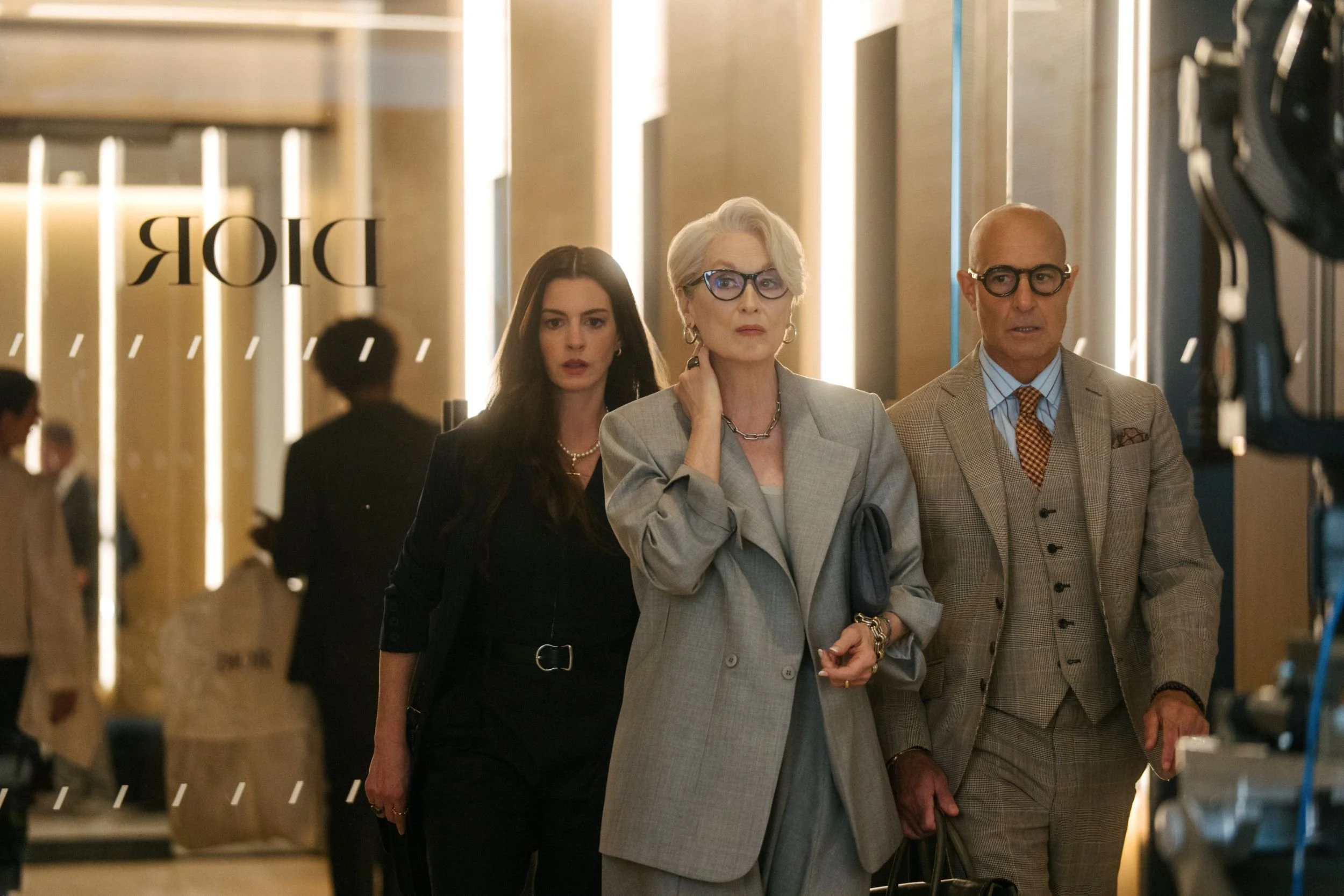
That is the beauty of this second part/film. It might be more aware of itself. It might be less sarcastic. It might even be more mainstream. But it has a depth that a certain element of the first one lacked. This is the more mature version...and in many ways (since it does reference modern problems) it is about how to stay current and yet provide character movements and moments that stir one even if you are not ensconced in the fashion industry. This is due to the evolution of Hathaway as an actress and Streep's ability to exactly know where the pitch needs to be (kudos obviously to director Frankel who also helmed the first one). This brings up everyone else. And to be able to do that, and make this more heartfelt than the original and still be biting in its own way without becoming overly sarcastic or dramatic, is brilliant in a way. A-
By Tim Wassberg