
IR Film Review: REVELATIONS OF DIVINE LOVE [Several Futures]
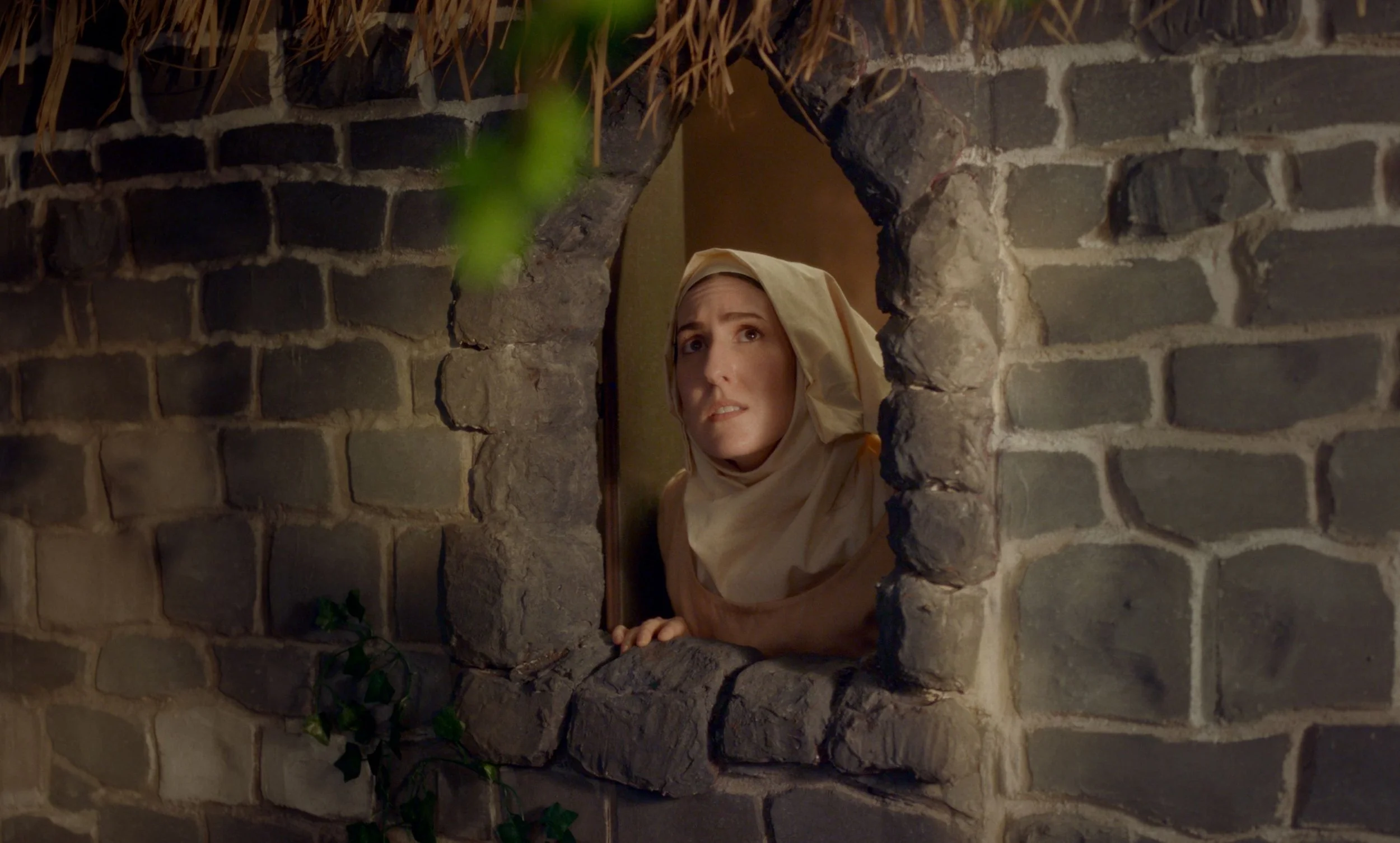
The bar of perception for a film like "Revelations Of Divine Love" has to be taken with a grain of salt but also the world and tone it wants to exist in. Its build is based on more of that as a stage play but one with Renaissance stylings at that. The sets are limited but the perspective is not. The story is based on the writings of Lady Julian, an Anchoress in England who befell to a certain illness before seemingly seeing God and became a harbinger of faith. This is similar in certain ways to "The Testament Of Ann Lee" from last fall, which as a progression was vastly superior but also had the benefits of a larger budget and a star like Amanda Seyfried (from which the musical sequences greatly benefited from). Lady Julian here is played by Tess Strain who does her best to convey an intensity but the dialogue is obviously mired in an essence of the lingo of the era. The performances, of course, feel at times stunted but as it goes on and delves into the aspect of a plague, the notion of what Julian represents becomes clearer. She is a beacon of hope and would-be purity but like many prophets, as it were, she can make wrong moves and not feel the consequences. One piece of advice she gives to a young man (played by a young woman) who finds her land lord's practices unfair hits a unseen end simply because of speaking up. All the girls serving towards the essence of God in the circle try to be pious but one can see it is just a nudge to push them out of the light.
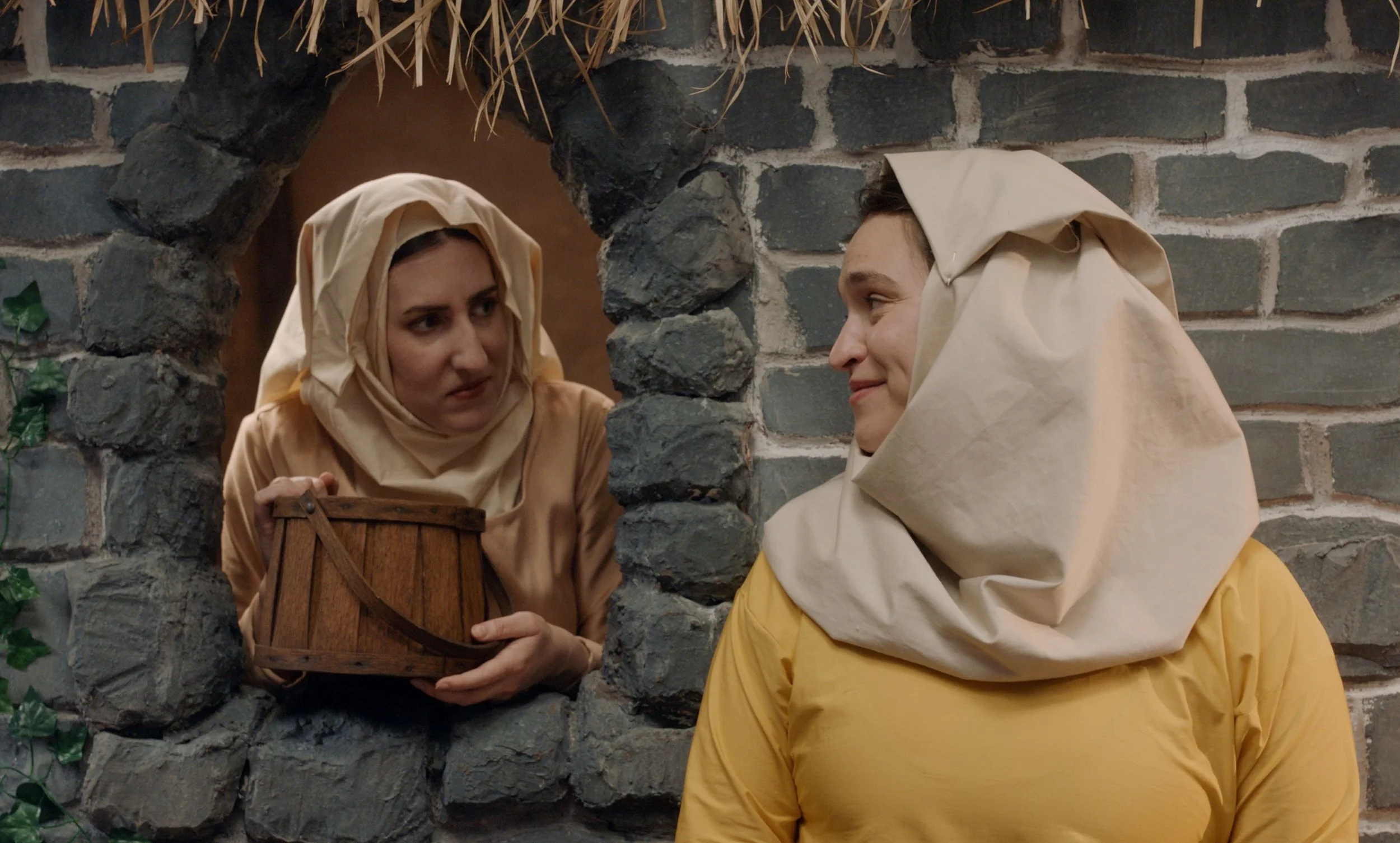
The best perspective comes from Isabel Pask as Sarah who finds the balance of what people want and how to see them without belittling their intent. Her characterization is sometimes better than Strain simply because it is more grounded without trying. Strain as Julian is many times trying to search for the answers as she looks at people's faces. They simply assume that she can help. The irony, and it is not an acting aspect, is that Lady Julian does not quite know the ways of the world and therefore seems less than qualified beyond her near death experience. That, of course, might be part of the point of downfall (as it was with Ann Lee). Director Caroline Golum does her best with the tools she has at hand. There is the texture of artifice to the sets which again belies theater but it might have been better served by shooting practically upstate in New York at various places that can stand in for the 1300s. But that said the lighting design is very specific to the tone the film is willing (or trying) to capture. The synth heavy score plays to this as well (though it feels a little Fisher Price). All in though, the film is only an hour and fifteen minutes and while it addresses certain thematics it doesn't really encapsulate the story as much as it could. The integrated shots of Christ during the Passion and Gilgoth are pointed and meant to reflect Julian's intent to find her divine in her own suffering. In the end, it is more left up to fate and the perspective that in time all will be well. B-
By Tim Wassberg