
IR Film Review: LANDSHIP [Kaleidoscope]
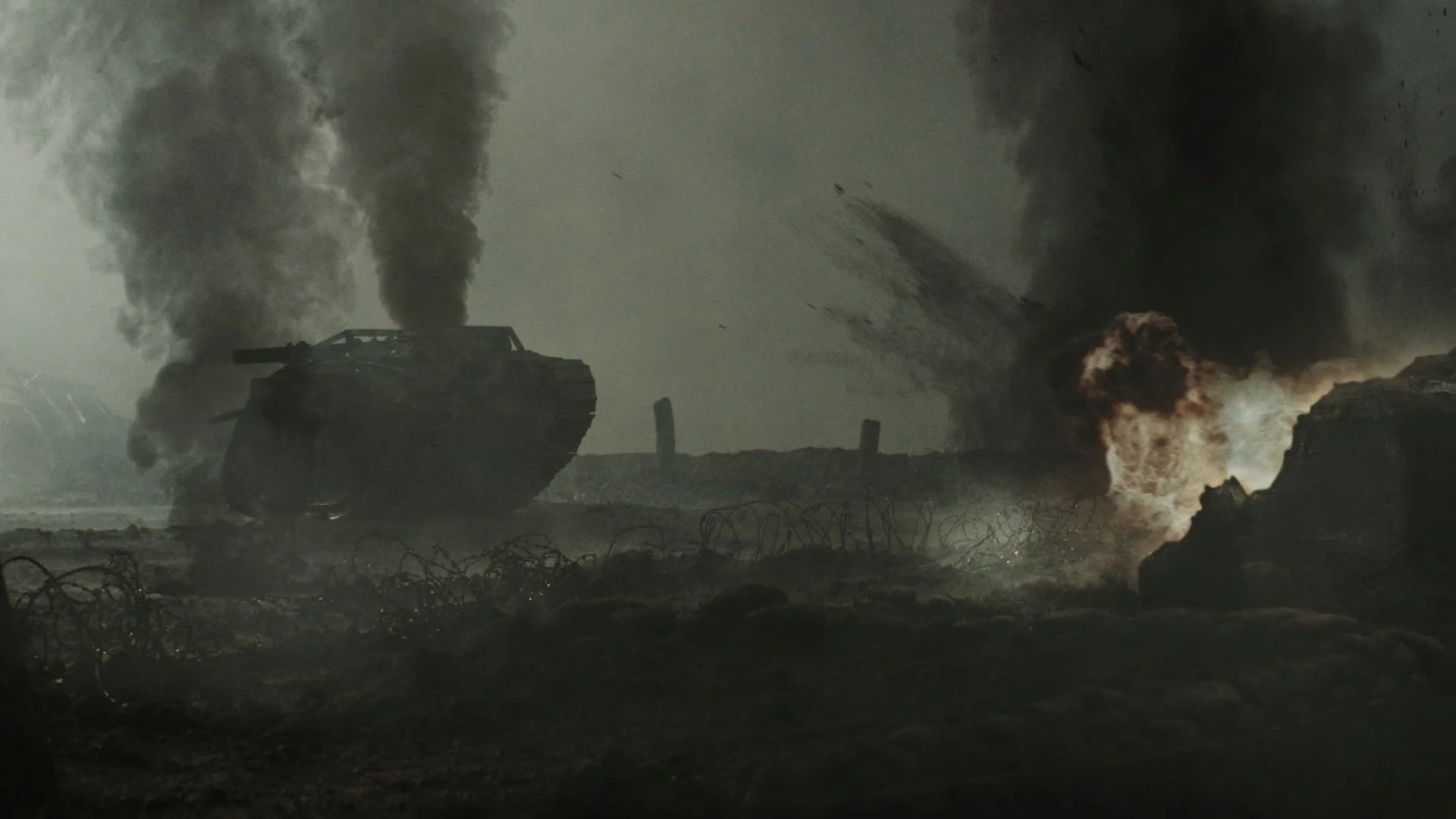
During the First World War with the advent of the Panzer tank, all bets were off as the brutality of war was uncontained with barely any safe guards and chemical/gas weapons at optimal use. The story behind "Landship" is part of history but not brought to bear until 70 years later. It shows a Panzer team that made their way across to the German trenches without disappearing into a mortar hole but eventually was turned over by German artillery. Taking place primarily inside the cramped quarters of the tank, it is about the pressure cooker of duty versus impending death. Vin Hawke plays Captain Donald Richardson who takes control of the tank to break the defenses during the Battle of Passchendaele in Belgium. The tank was initially disabled by German artillery but then when the British didn’t want the tank falling into enemy hands, they attempted to destroy it with mortar shells from the other side, not Knowing if the crew was still alive inside. The gunners and loaders as well as the driver numbering at most 6 have their own ideas of the kind of mission they are on. Richardson pushes forward sometimes discounting the soldiers because of the chain of command but that must come to bear as well.
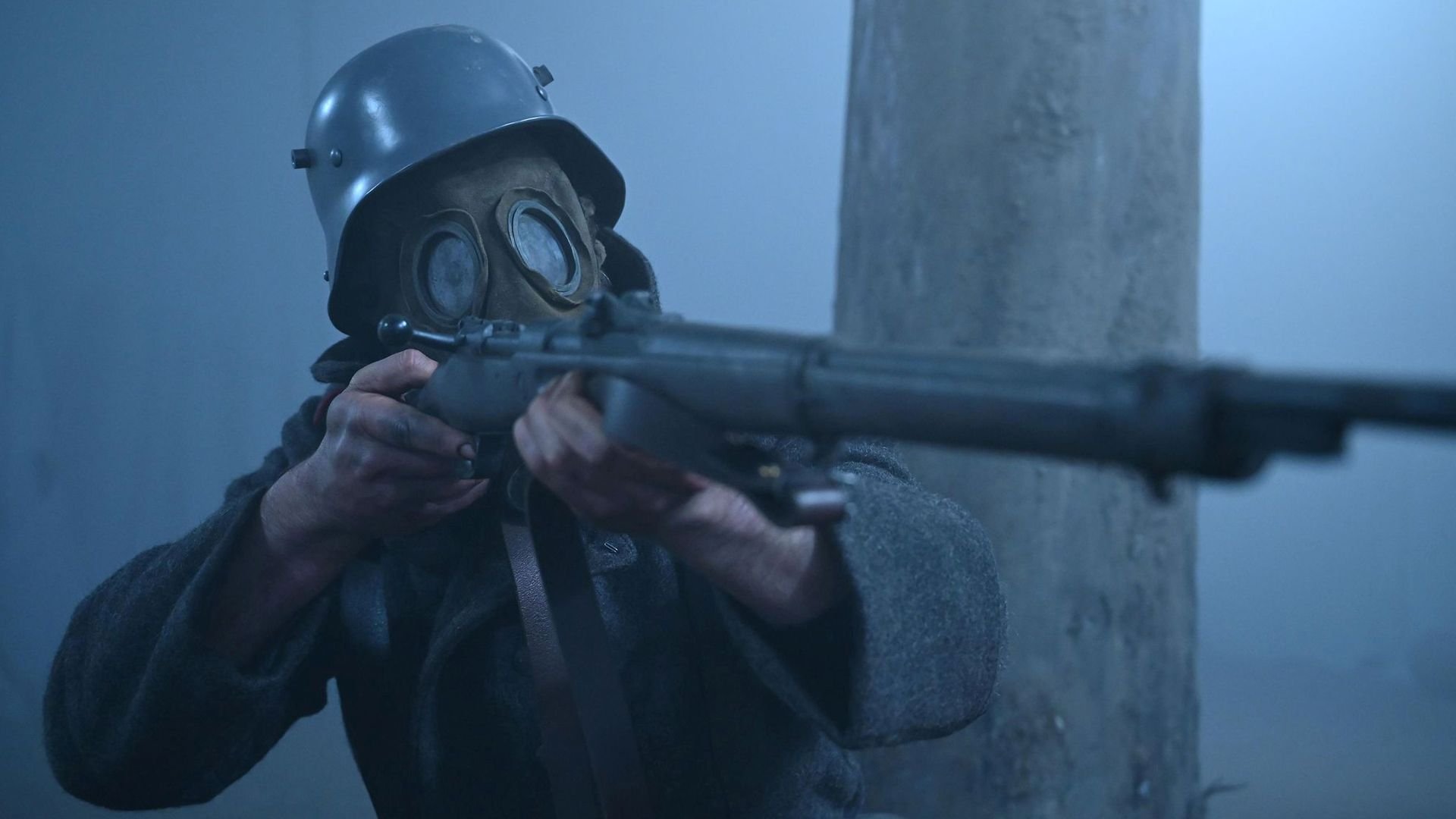
One scene has a loader inside the tank breaking down in primal cries while Richardson threatens him yet he knows it is a no-win scenario. Director Callum Burn uses the limited effects he has to show the charcoal burned wasteland permanently covered in smoke and ash. The desolation is like nothing probably we can understand today besides the devastation from a nuclear weapon. Richardson tries to get out of the tank but stumbling through the smoke it is like everything is a ghost which is part of the metaphor. One does not know what form is good and what form is bad. He shoots randomly. At one point a German soldier almost tries a sense of psychological warfare on him but interestingly enough this might only be in Richardson’s mind. There is a scene near the end which is interesting if true because in a standoff a leader must lead but it is understanding what is the right choice by the soldiers on either side. The image of that moment is very stark. Ultimately this moment in time didn’t change the course of the war but, in a small way, it showed that small moves and gestures can make a huge difference. These men escaped but that experience likely changed their perception of their whole existence. “Landship” is conceptual in many ways but reflects a sense of hope and exasperation in a world consumed in its own survival. B
By Tim Wassberg