
IR Film Review: BLUE MOON [Sony Pictures Classics]
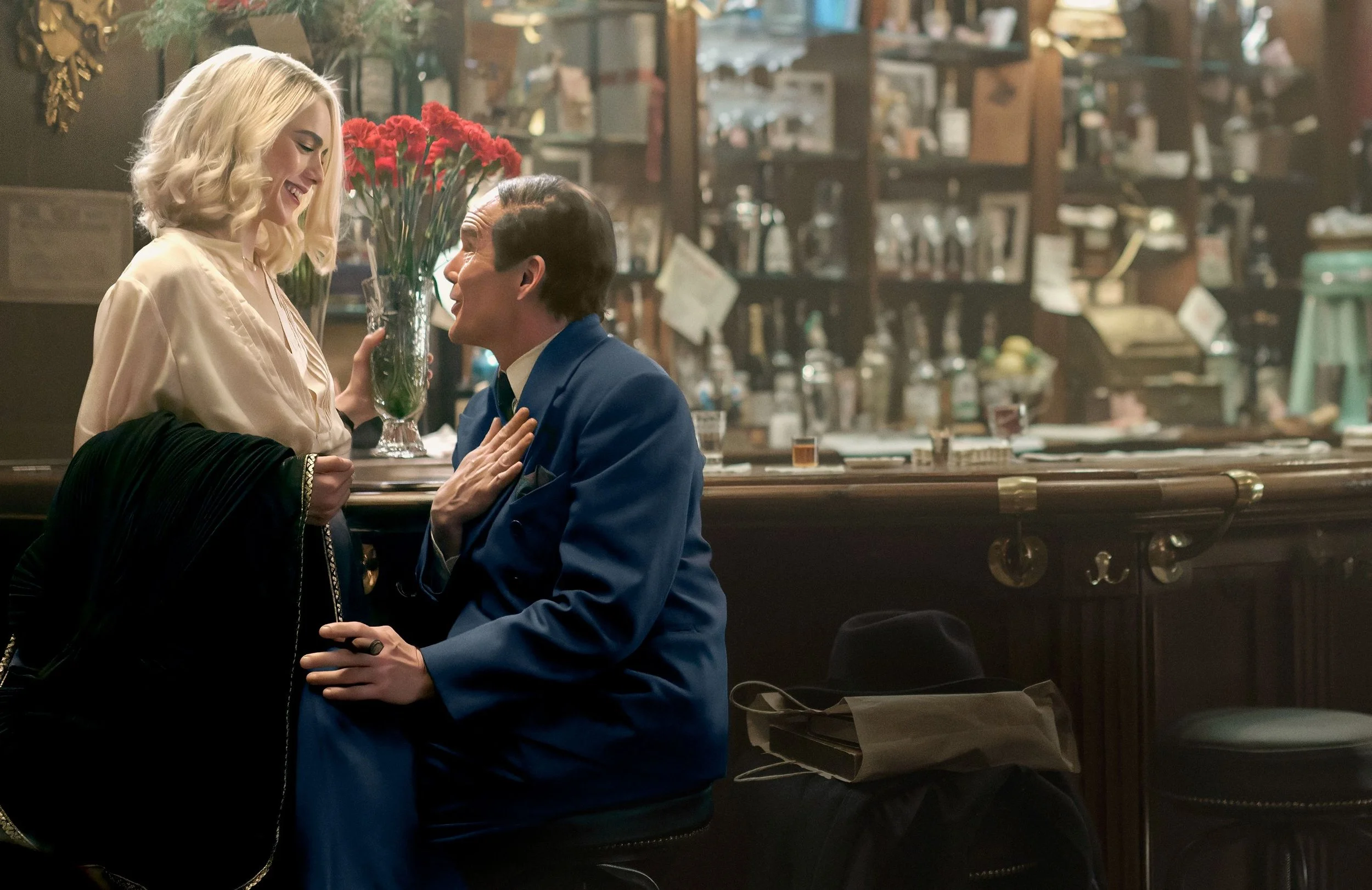
The aspect of many collaborations is pushing the boundaries while also doing something new. Ethan Hawke and Richard Linklater have done this before. Whether the "Before" movies or, at its pinnacle, "Boyhood", they have experimented with form. Their latest "Blue Moon" is more of a staged piece following one night of a artist's journey (or deconstruction if you will). Interestingly enough it takes place at Sardi's in NYC. The film is focused on Hawke' Lorenz Hart who was music partners with Richard Rodgers before the latter became synonymous with Oscar Hammerstein. The night in question is the premiere of the musical "Oklahoma" in 1942. Hawke, after recent turns in "Black Phone 2" and "Lowdown" hides himself under a balding cap and plays much shorter than he actually is through on camera tricks.
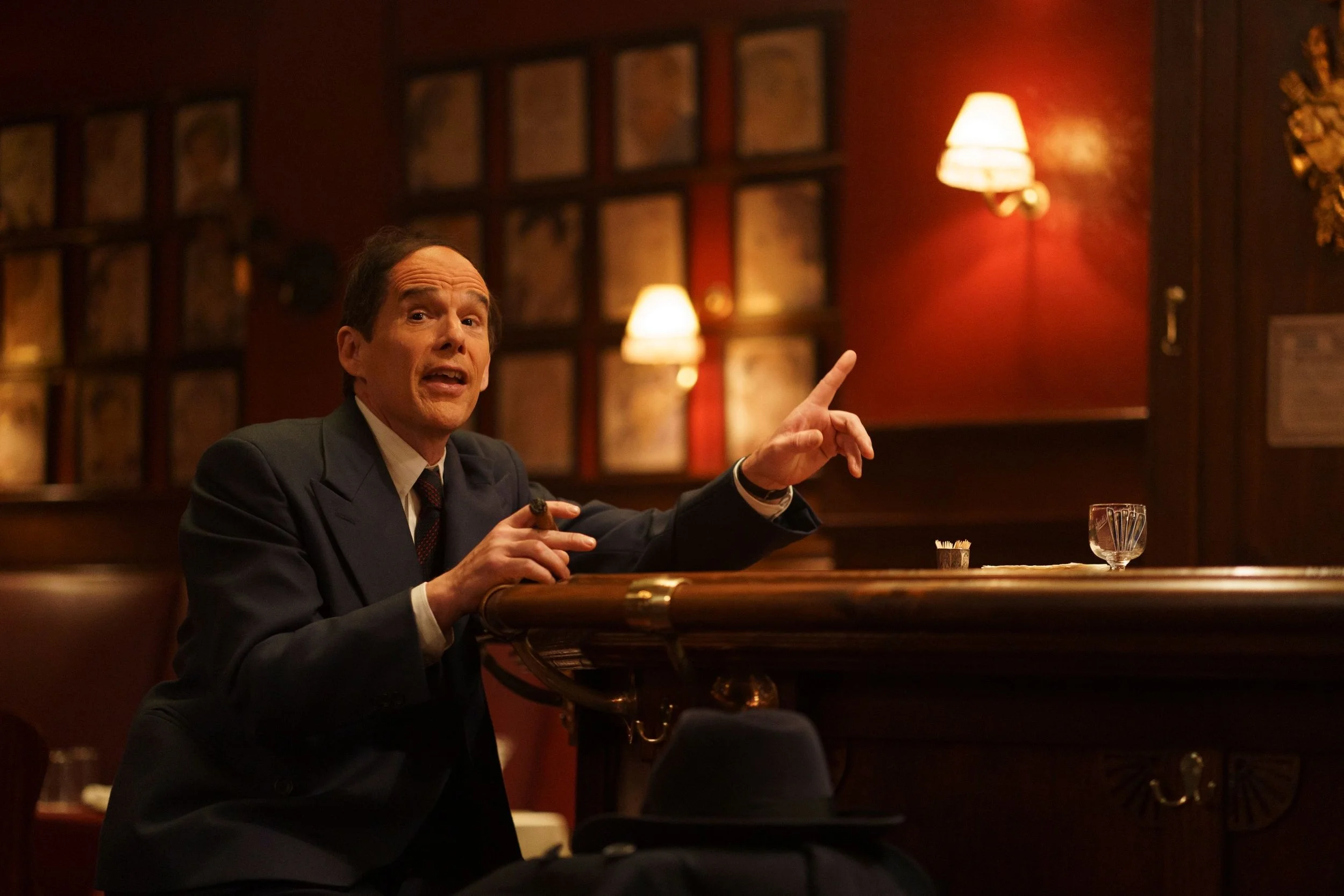
Hart is a talker and most of the film are these long diatribes of Hawke as Hart talking about the irony of what he does and flirting/jabbing with various people in the bar. Most of the first half is a back and forth with Eddie, the barkeep played with ease by Bobby Cannavale. The film has pedigree but it is not a long swing per and of course was made for a price so they could try different things. His interaction with the just happening to be there E.B White really anchors the film. White was known for serious essays but getting ready to write a children's book (which would become "Charlotte's Web -- and his main legacy]. The movie here is about irony in the face of time.
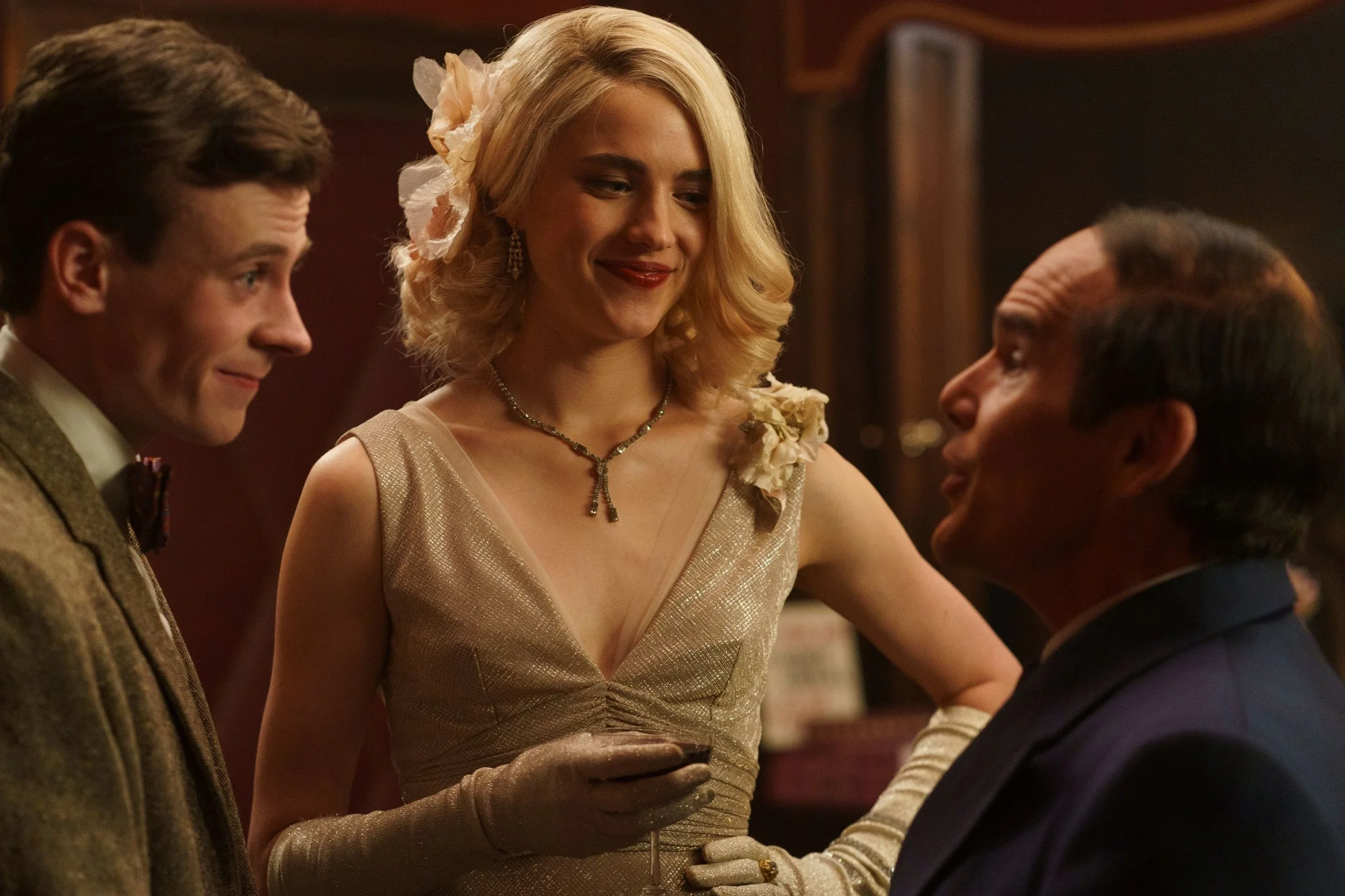
More than anything Hart, despite being primarily gay, seems to find in Elizabeth Weilland (Margaret Qualley) a sense of longing. Qualley is able to inhabit the ingenue in a beautiful just like she brought a brightness to the otherwise unengaging "Honey Don't" earlie this year. Hart wants to experience life and voyeuristic joy through Weilland though his motivations are not clear -- which is part of the point. Does he desire her or just the energy she provides? It is an interesting question since Hart continually runs in circles both in the restaurant and in his mind. Hawke loves the bravado of playing something different and obviously doing these monologues (in a different way from the "Before" films) offers a different challenge for him. He has found a career of longevity while still trying new things and keeping a cache and a bankability without constantly trying to prove himself.
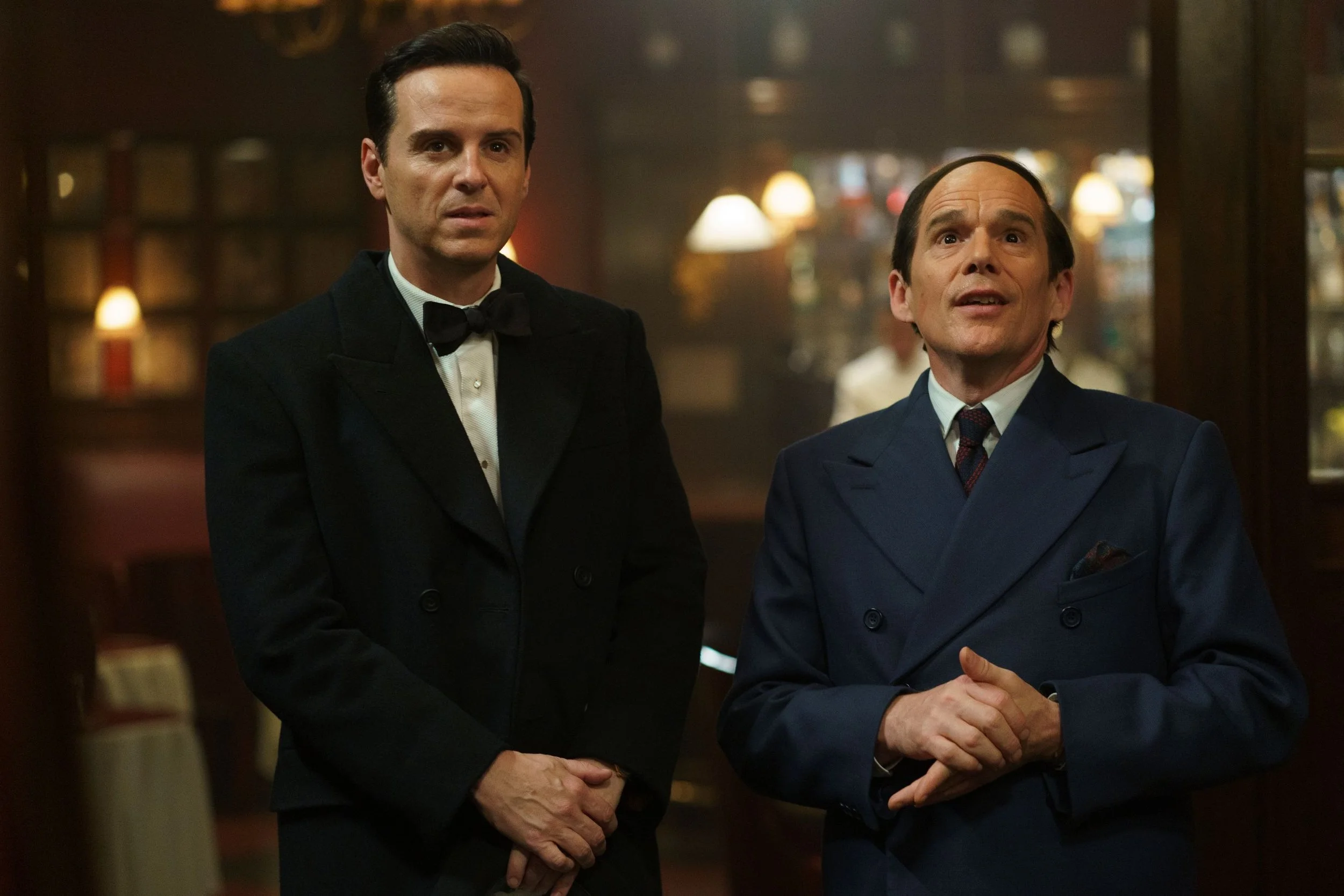
The most combative scenes are with him and Rodgers (Andrew Scott) which are electric in their own way. One can see Hart's life and pursuits slipping away. He knows this and he doesn't want to admit it so he seems desperate and yet complacent as well. He wants to be the one who has the ideas but that time has passed. The film is a tragedy wrapped in comedy...but like most good stories, it knows to show the result and work its way backwards. Hart shouldn't drink but he does. He shouldn't run his mouth but he does. But Hart despite his pandering doesn't apologize for his shortcomings. In fact he embraces them with a specific mode of self-deprecation. The movie here is an exercise in trying something different which Linklater and Hawke have always done. Sometimes they work but they always have a specific point of view about them. "Blue Moon" is stage play set in Sardi's of a certain place in time...but for a evening you exist there...not as a fever dream but as a good stiff drink with a little bit of aftertaste. B-
By Tim Wassberg