
Fest Track On Sirk TV Film Review: TO KILL A NAZI [Dances With Films LA - Los Angeles, California - Virtual]
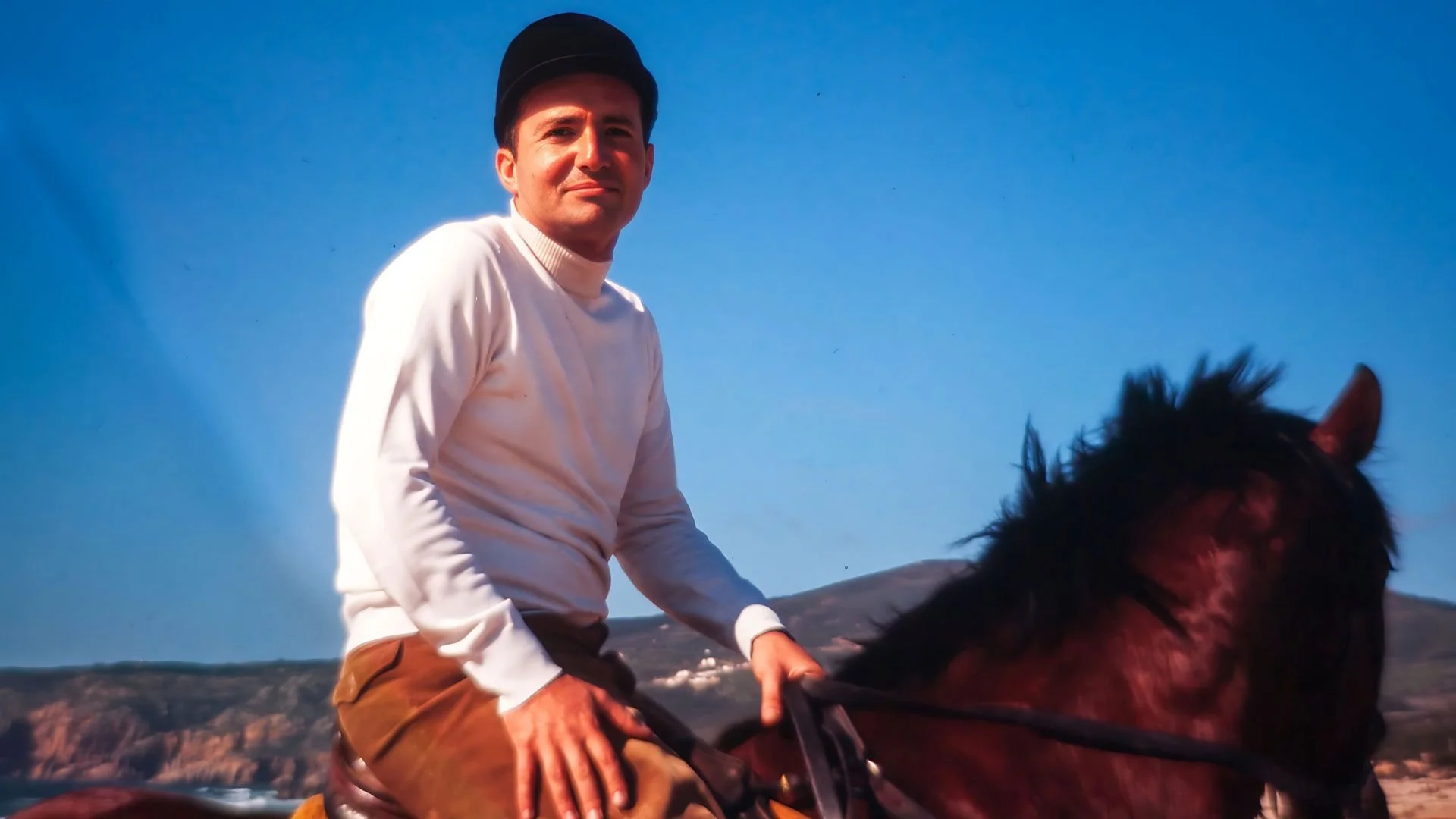
Documentaries seen from a perspective add more relevance when attached to real events that maybe even those that have been dramatically capture in the past. That happened recently with a feature narrative telling of the Munich Olympics shootings back in the 70s. Here with the film “To Kill A Nazi” (Documentary), a key figure in the Entebbe hijacking of a Air France flight in the 1980s who perhaps wasn't as keenly explored in the film “7 Days In Entebbe” starring Rosalind Pike back in 2018, is brought together with what came before...and after. A Frenchman named Michel Cajot who was almost condemned to Auschwitz (even as a French citizen when the Nazis took France) is the cornerstone story here. Cajot had tremendous guilt but also a sense of vengeance with his almost initially hidden Jewish heritage. The film at beginning focuses on the fact that he considered Klaus Barbie who was in many ways considered to be a key Nazi figure much like Eichmann in the final solution as his road to redemption through violence. After the war, Barbie escaped to Bolivia where he and many former Nazis could not be extradited. The film uses simple but comprehensive animation to show the path interspacing old interview footage of Cajot with modern day interviews with his kids who described how they were raised, the impact of his neurosis and convictions and, in a way, their training. The tale of him going to Bolivia to track down Barbie who had been sentenced to death by a French court in absentia in an interesting tale as well as the outcome and how it affected him otherwise.
That tale motivates what happens on the Air France Flight that Cajot and his son Oliver just happened to be on. Everything Cajot did might not have made sense at the time to others...but it did have reason. Redemption and pride are very interesting bedfellows in how they manifest themselves. The Entebbe situation is seen from a slightly different angle than was covered up in the press. After that incident and different things he did later, it was interesting to get the angle where the French government wouldn’t help him but the Mossad (for better or worse) was always there listening...and acting. Within the hijacking sphere, there was also a lot of interesting observation parts (done almost like psyops) where he helped with whether it was the nighttime raid or even getting into the head of one of the lead hijackers. The film runs close to two hours so it conveys a lot of information. Jason Alexander does the narration but does so subtly so that it becomes a soothing throughline. The eventual trial of Barbie when a new government comes into Bolivia gives new credence to Cajot's mission but how this interacts in the remaining years is also very telling. How Cajot reissues the relationship with his kids is hard but also conflicted. He buys his one daughter a piano in a a hope to bond with her but the eventually he gives it away to charity for a prison in Lyon where his father was taken by Barbie. However the beautiful irony at the end (specifically who plays it) brings it around full circle. A-
By Tim Wassberg