
Fest Track On Sirk TV Film Review: THE TESTAMENT OF ANN LEE [Berlinale - Berlin, Germany]
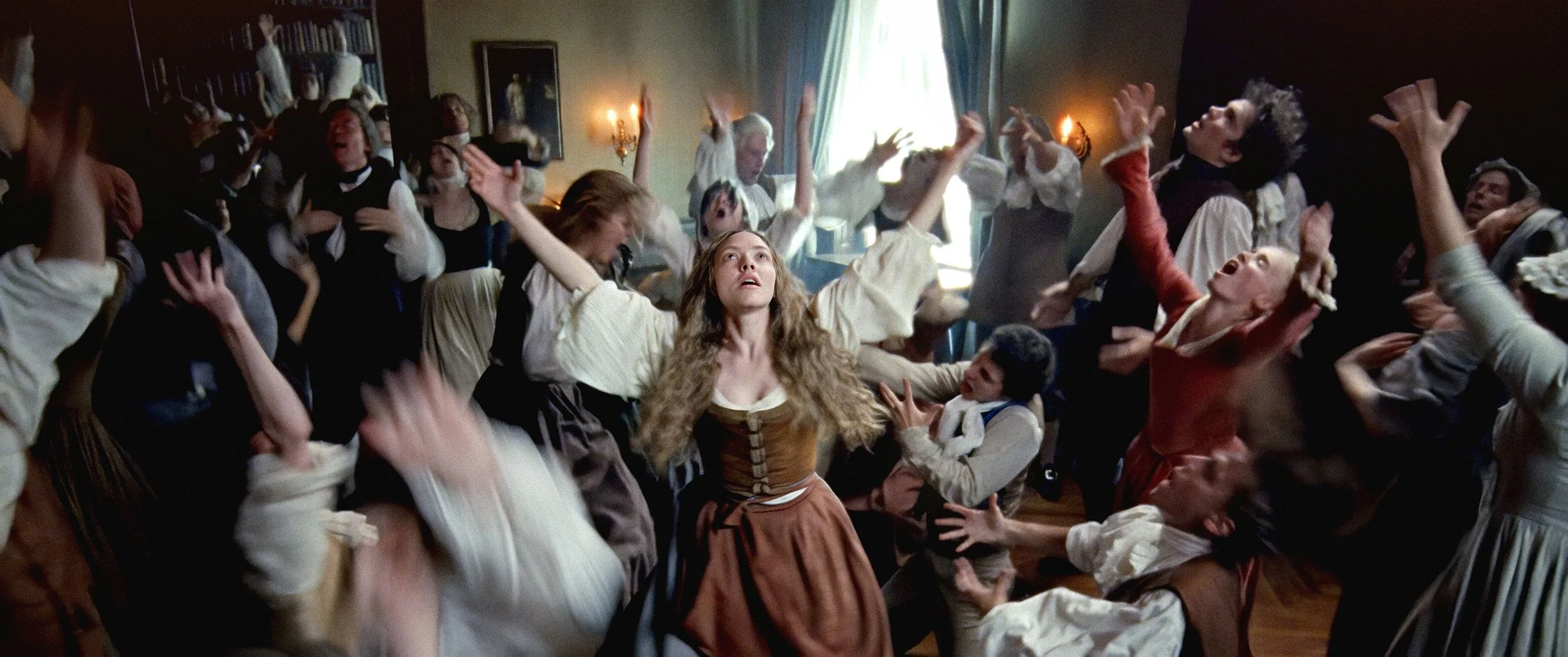
The intent of "The Testament Of Ann Lee" shouldn't be possibly as riveting as it is but the musical folk basis of the Shaker hymns and Amanda Seyfried's unwavering commitment to the role, especially in establishing the path in the first half of the film is some of the best work she has undertaken in years and gives the film life, undeniably aided by the steady hand of director Mona Fastvold who also co-wrote "The Brutalist". It is not an easy film for the character for sure, both in England and after their move to America. Her Shaker brethren and especially herself were persecuted at length but the idea that led her to her revelation is something a lot more human both in tragedy and abuse. She was led to the path because of the consequences and simply progressions of her life, not because she is looking for piety. It almost happened as a way of protection and circumstance that became of movement. Growing up Quaker she was always questioning certain tenets of faith but never quite found what she was looking for. Her eye, especially as a child, saw elements of adult life with a different perspective. One foreshadowing of her adult life with her husband precludes that. Christopher Abbott plays her husband Abraham with aplomb. He is a man of his age but his perspectives and intentions, though not undue to men of the day, do not sit with Ann, even though she tolerates them in the marriage bed for a limited time for the sake of procreation. After the deaths of four of their babies through no fault of her own, she is sent to a hospital/asylum as was the tendency of the day if the body was not working right. But before this happens the musical intent of the film really engages. This is not a musical but the music, especially in the beginning is a representation of freedom and movement and is very specifically coded into the film. There are moments where Seyfried is singing to a track but it flows but you can tell when its live and she brings an intonation to it that reflects the talent she has which is sometimes not adequately used. This is the best combination of her.
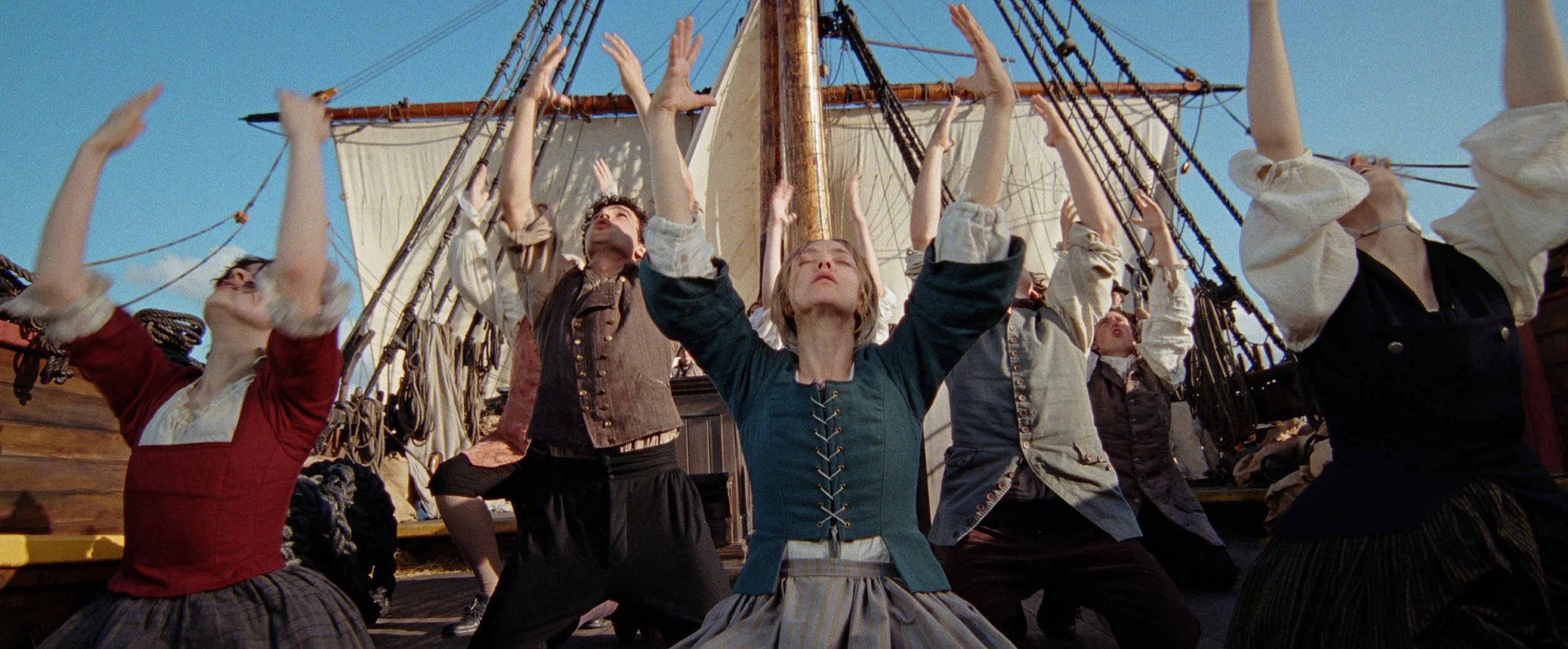
Lewis Pullman as her brother is an interesting casting choice but more than handles the role, especially with some of his subtleties. The man he plays he is a gentle soul and believes in his sister. After some of his more franchise based roles, this is also a good change of pace (where he has to sing no less for Pullman. He is decent at but by no means a pro. After some persecution, Ann becomes Mother Ann before leaving for America. The change makes sense but the willingless of the flock is almost laughable by conventional standards but that was the way. There is more of a righteous indignation from Ann the futher the film moves on, and while it is understood, sometimes the piety of it seems too forced or melodramatic despite its intention. Some of the scenes on the boat to America, especially in how they turn the crew to their cause in a way is beautiful done with the intercutting of the music and images on the deck in between night and day. When they arrive in America to start their new mission, the movie takes on a more linear progression. Yet the persecution is the same, just in a different form. They find a piece of land in the Hudson Valley and begin their quest again. The movie jumps a few years before the Revolutionary War begins. The time it shows belies the problems that integrate in American society as today but the balance of puritanism versus free will, especially for women was decidedly interesting. "Rose" (also in Berlinale this year) did this as well. When the finality comes to bear, it is done with a solemness but also with a brutality (much like "The Brutalist") "The Testament Of Ann Lee" creates a world, not unlike "The Piano" but also dissimilar. What really makes it relevant is the musical and internal journey of Ann Lee at the inset which is pitch perfect in Amanda Seyfried's portrayal as if it was a role born for her to play with its balance. The second half suffers a little bit though simply because of the mechinations of what it needs to show. However, it creates a much more riveting tale than initially might have been expected with a musicality that is both authentic but also deeply intense and moving at times. B+
By Tim Wassberg