
Fest Track On Sirk TV Film Review: ROSE [Berlinale - Berlin, Germany]
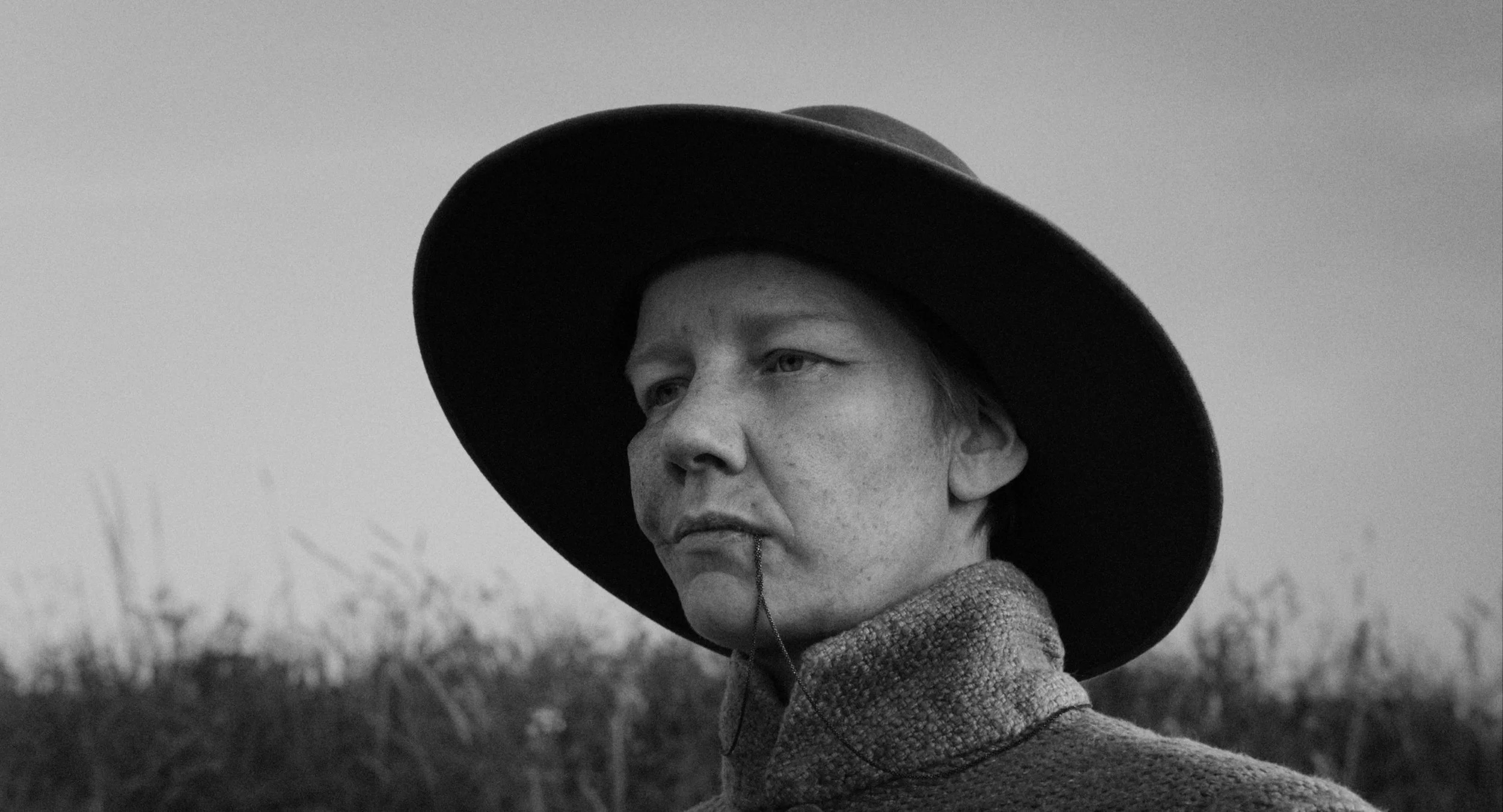
In a year where the films at Berlinale bathe in a texture of life possibly lived but sometimes not quite found yet pushed with an undeniably force, "Rose" [Competition] plays that to the hilt with a fantastic (if unusual performance) by Sandra Huller as the title character. She plays a woman who comes into a Protestant town disguised as a male soldier in 17th century Germany. As a he, Rose has an inheritance he comes with (taken from a fellow soldier she served with who fell in battle) and proceeds to restore a farm and make a life for himself...and yet the townspeople have a conception of what people should do...and be. It is not just about existing. The concept of gender roles and their responsibility is placed to the test but mostly because all are not aware. It is Rose's brunt to bear...and yet we still see her joy in accomplishing what she does. Rose tries to play by the rules but in order to move things forward she does have to integrate in what the town considers its most importance task, longevity through reproduction. The aspect of marriage to the daughter of a man she is trying to acquire water/stream rights forces the issue undeniably...and there is no way out. These are all subtle but very distinct tendencies that the film tries to push and creates some interesting dynamics (that only come in this adherence to puritanism -- which usually backfires). Huller with a scar and a bullet around her neck and almost court tarnished clothes is just a statue of emotions and textures. When she gets married to Suzanna (Caro Braun) it is just a matter of time though the twist is undeniable.
The issue is that it leaves that specific element in the ether (which is fine since it causes the audience to speculate) but eventually brings up another that wasn't necessary. The killing of bear gives Rose credence to her God fearing and enforcing community but only so much. The town is vindictive while disappearing under a guise of intention of virtuosity and virility (and above all -- male power) despite the fact that she treats them fairly, makes profit in the towns, provides job and enhances the community's overall health. At one point, she yells on her porch about why she is being hyperfocused on. She says she is just trying to live and that is not the business of any other. The way it is integrated with Braun despite certain situations that set a path in motion, makes one think there is a possibility of redemption...but redemption is too bourgeois a word here since that is not how real life works, especially back in this time. The deconstruction is inevitable but it is more intriguing just in Rose's literal inhabitation of this life. The explanation makes sense -- and the arrogance of the possibility has warrant. But like "Dancer In The Dark," the possibility of full circular accountability comes into play -- though it is done here with more practical sense. The ferocity that is dealt is almost banal but final in its judgment. In the black and white photography, Huller's eyes pierce in the final moments while they hide in certain ways as the solider before...nd yet the power shifts as does the vulnerability on both sides. Again one plot point in the final act doesn't make much sense since it goes against what Rose would be trying to do...and opens up another mode of thinking. "Rose" as a film isn't as pure as its acting in Braun and, in spades, Huller...but does create an undeniable world. While the film has its issues, Huller is fantastic in a role both riveting, full of hope and loss, and yet tragic. B
By Tim Wassberg