
Fest Track On Sirk TV Film Review: I’LL BE GONE IN JUNE [Cannes Film Festival - Cannes, France]

The consistency of teenage angst is always a result of society but the idea of weight is an interesting conundrum. “I’ll Be Gone In June” [Un Certain Regard] tells the story of Franny, a girl who was born in East Berlin right before the fall of the Soviet Union. She is studying abroad and brought to Las Cruces in New Mexico to be with a host family. However that context is a little unclear in that the others there seem akin to a foster family or kids without homes. The economics of what the film shows is a little muddled. Franny does have her family back home in Germany (supposedly -- as she talks to them on the phone) but whether or not they can provide is an open question. The girls that she is placed with go from the cool girl (who might be the family’s actual daughter) to a girl named Patty with obviously problems both physical and mental that are never quite defined. These aspects do change the nature of how Franny looks at this new world. One of her friends is another exchange student but, like all teenagers, they are mean when they don’t necessarily understand its repercussions. Franny of course starts falling for a local rocker who definitely has some big issues of his own but girls at that age do love a bad boy (and later for that matter).
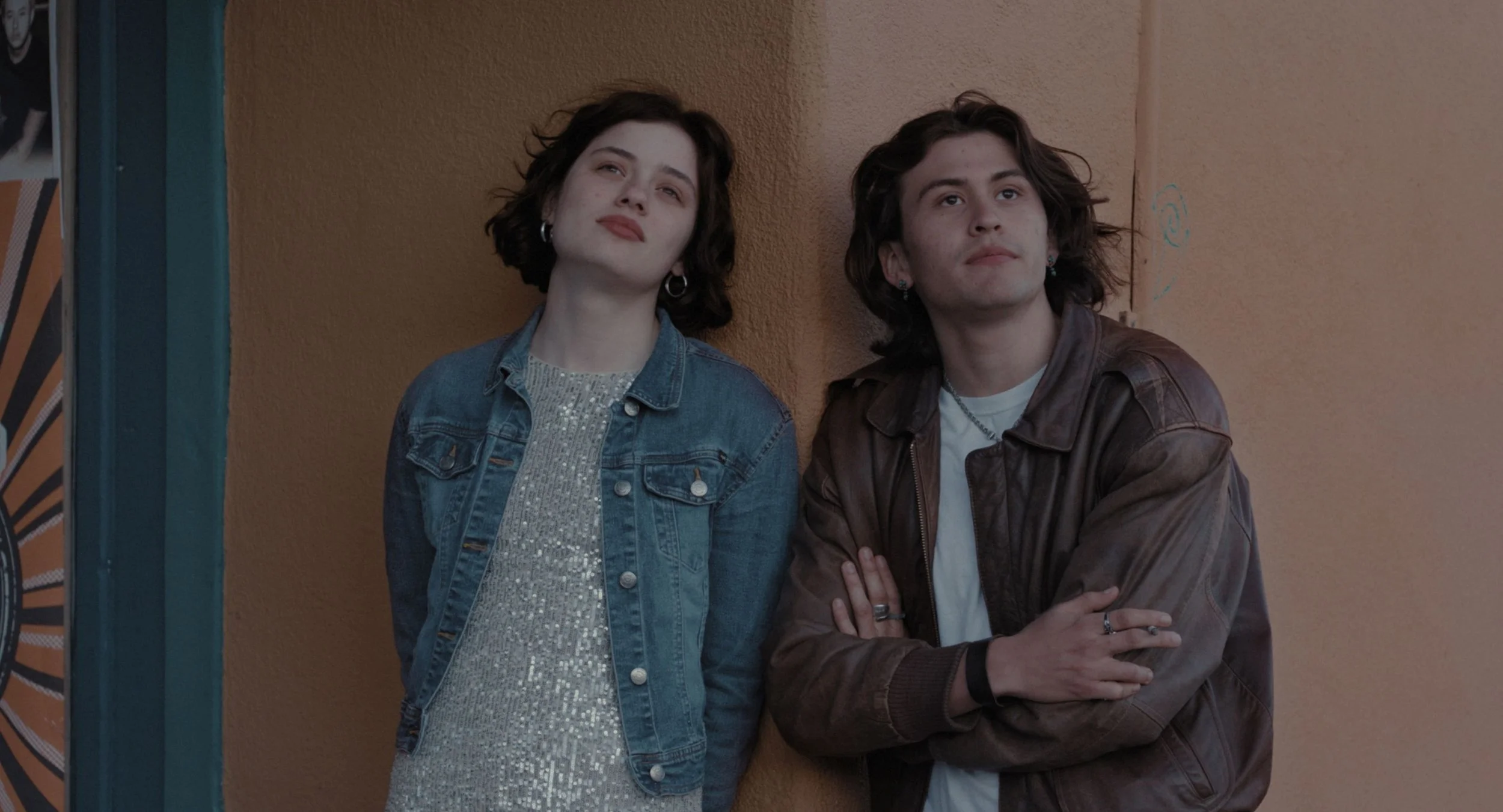
Elliot, the boy, goes in and out of her life and the spring becomes a series of drinking, bonfires and sleepovers. It plays to the nostalgia of youth but also reflects when the 9/11 event happened and its repercussions since that event is central perhaps in some sophomore filmmakers minds from their younger youth. Covid has been within the creative bubble but will be even more so in 20 years depending where society is at. Franny does not compromise herself and she is not an overtly strong personality and yet she has a strength. As the film reaches its apex, it is about enjoying where you are at since it doesn’t last forever. One tends to go back to where things began or continue to exist. There is a simplicity in that progression. How a film ends is the most important aspect in many ways beyond the central performance because it speaks to that thought process. Many films don’t stick the landing but this is because it is not clear what they want to so or why. “June” is clear though the angsty idea of young romance and existence can be much overwrought in practice even with the best intentions. It is a time of learning but perhaps not of consequence on a larger scale beyond a simple act of identity. How one uses that knowledge is more important. And now this is clear to Franny. B-
By Tim Wassberg