
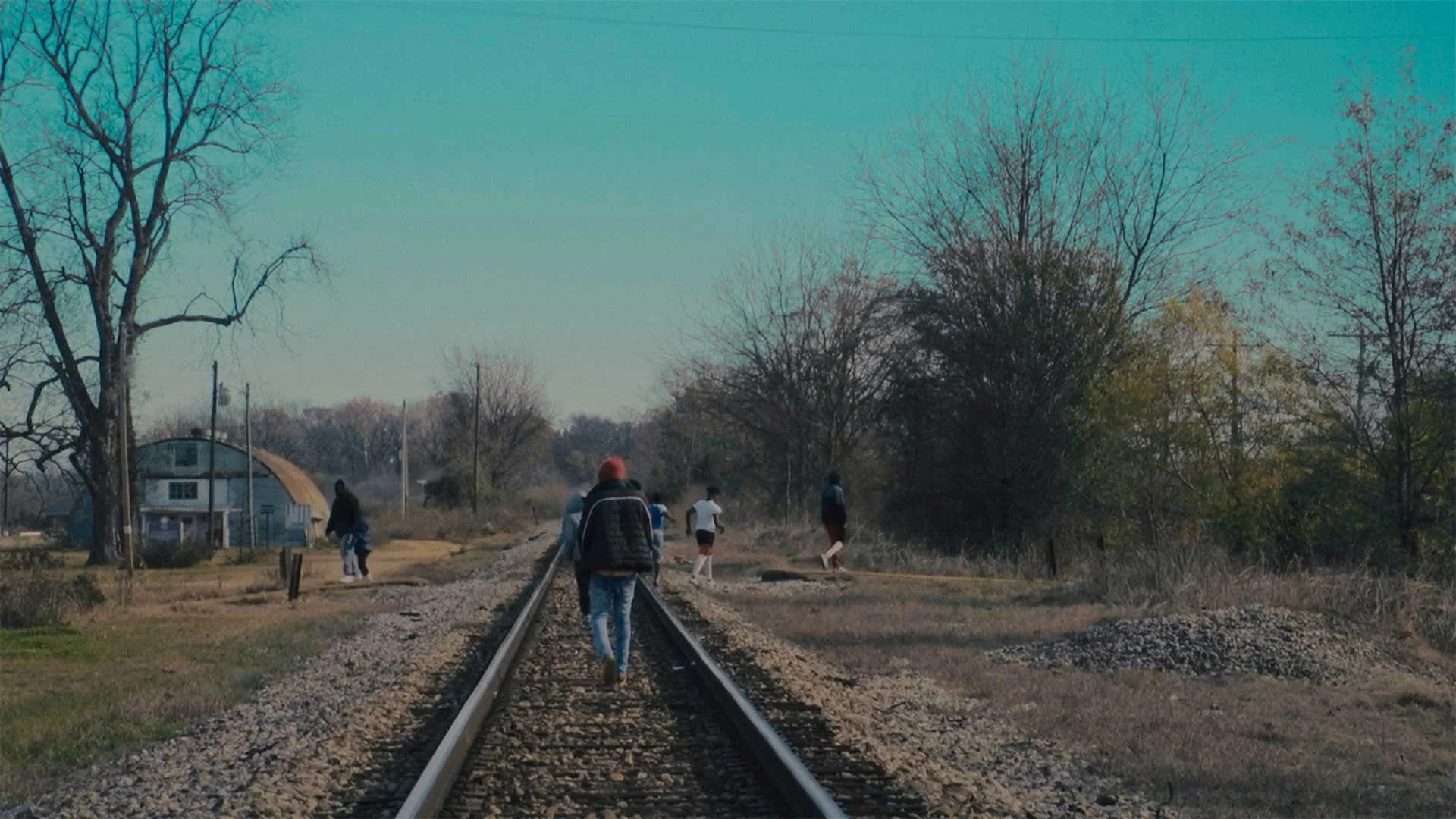
"Glendora" tells the story of a town where time passed it by but people still need to live within its nestled countenance. Bathed inside the heart of Mississippi, the remnants of the Deep South remain with some older residents (at the time it was filmed) remembering about the times before and how certain things have and have not changed as Glendora continues on. One thing that is apparent in the film is the authentic nature of its people. One of the older women, now the matriarch and approaching 90, still has the house that her father was able to get in a land auction that today would be impossible in certain ways. A lot of the interviewees talk about life outside that mostly is out of reach and that the area is very poor. That said, even though some who have been brought up have turned to drugs or other vices, the core of the town (the film is produced by The Glendora Collective as well), is interested in telling their truth across the board and doing the best for their citizens. There is a human decency and pride in their lives.
Like any other small town, Glendora has its hang outs, its church, its corner store but all seems precarious and yet they are not. While some say that their town is a bit bleaker than others, they are proud of it. There are those, like a local music maker, that is trying to find his way out but like anything else, he is a realist...but it doesn't change the dream. The people are hard working but the issue with these small towns is also that any industry that was there is now being automated somewhere else. The train that separates their part of town from the more well-to-do area across the tracks (it might not be the same as the past but there is a inference that it is) is a very precise visual metaphor. The train always goes by like clockwork. Love and opportunities happen. The film does often come back to Florida Smith (the matriarch who has since passed) recalling situations (including an area of town called Dirty Corner) giving an oral history to the area which could sometimes be lost. Director Isabelle Armand captures this slice in time with a gentle touch that doesn't shy away from the harder realities but also tells of those moments of joy and memory. She documents it so other can see and that is the best form of such a chronicle. B+
By Tim Wassberg