
Fest Track On Sirk TV Film Review: FATHERLAND [Cannes Film Festival - Cannes, France]
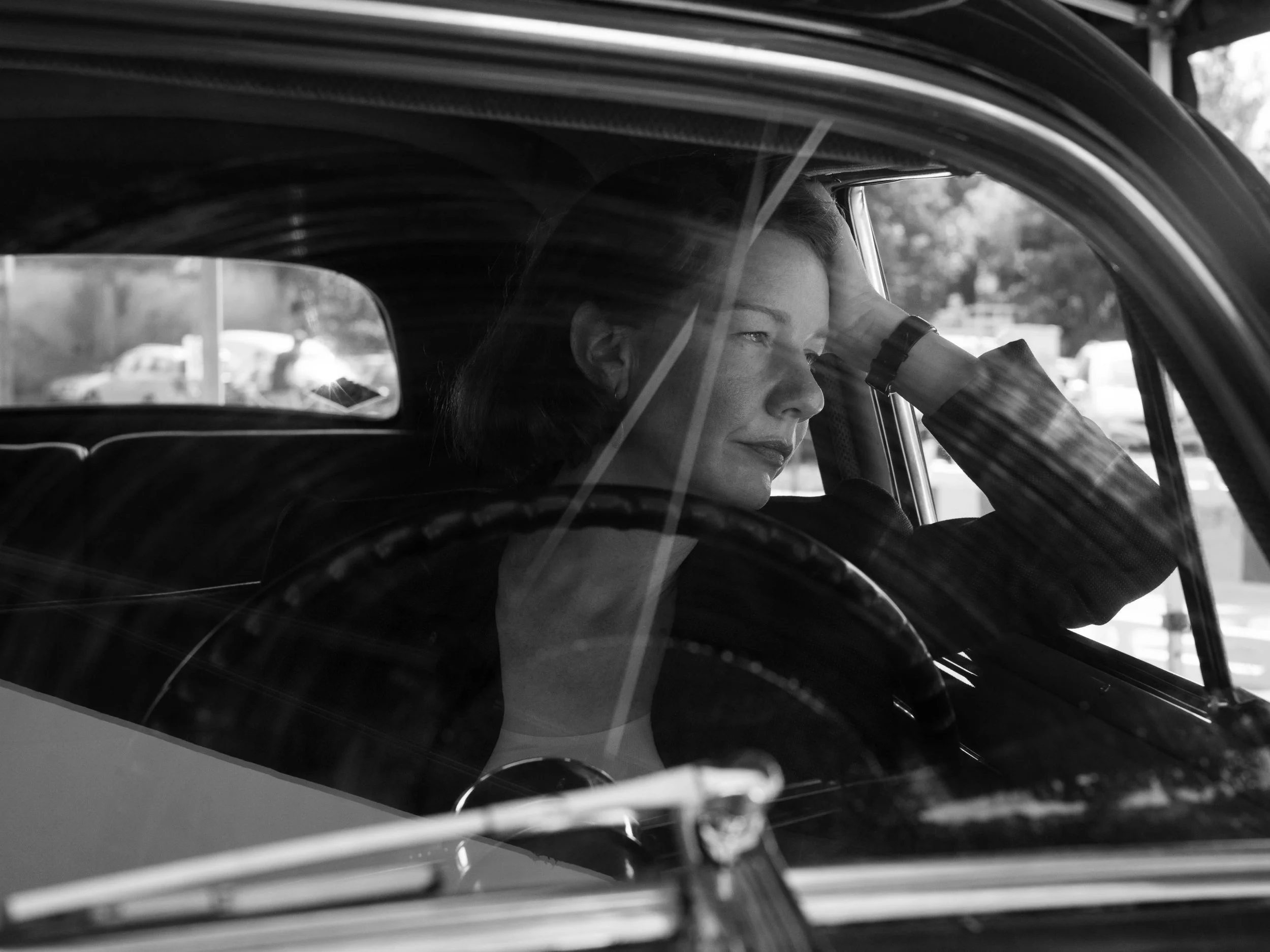
After the lost romance of "Cold War", director Pawel Pawlikowski seemingly had more wherewithal to play in the context of the post war sandbox. What comes about with "Fatherland" [Competition] is a very shrewd but simple tome on the notion of family and writing in the aftermath of a world war. The film follows writer Thomas Mann who is now an expatriate in the United States coming back to Germany in 1949 to be feted for a Goethe prize by both the free world but also in Weimar behind Soviet lines. The film starts with an interesting single static shot with August Diehl AS Mann's son talking to someone on the phone. it seems very simple but as the story unravels its pertinence and effervescence become clearer. That said, despite Thomas Mann being the focus it is Sandra Huller as his daughter that of course rules the movie. she has some grand gestures but Huller is so good that it is never overplayed. after her absolutely stunning portrayal in "Rose" at Berlinale. This is on the other side of the equation but no less riveting at times. The film really begins to play at a dinner party where a really neat connection to "Cold War" intersects. The play seems very modern and yet old school. Pawlikowski is very precise and this is mirrored by the cinematography in black and white, much like "Cold War".
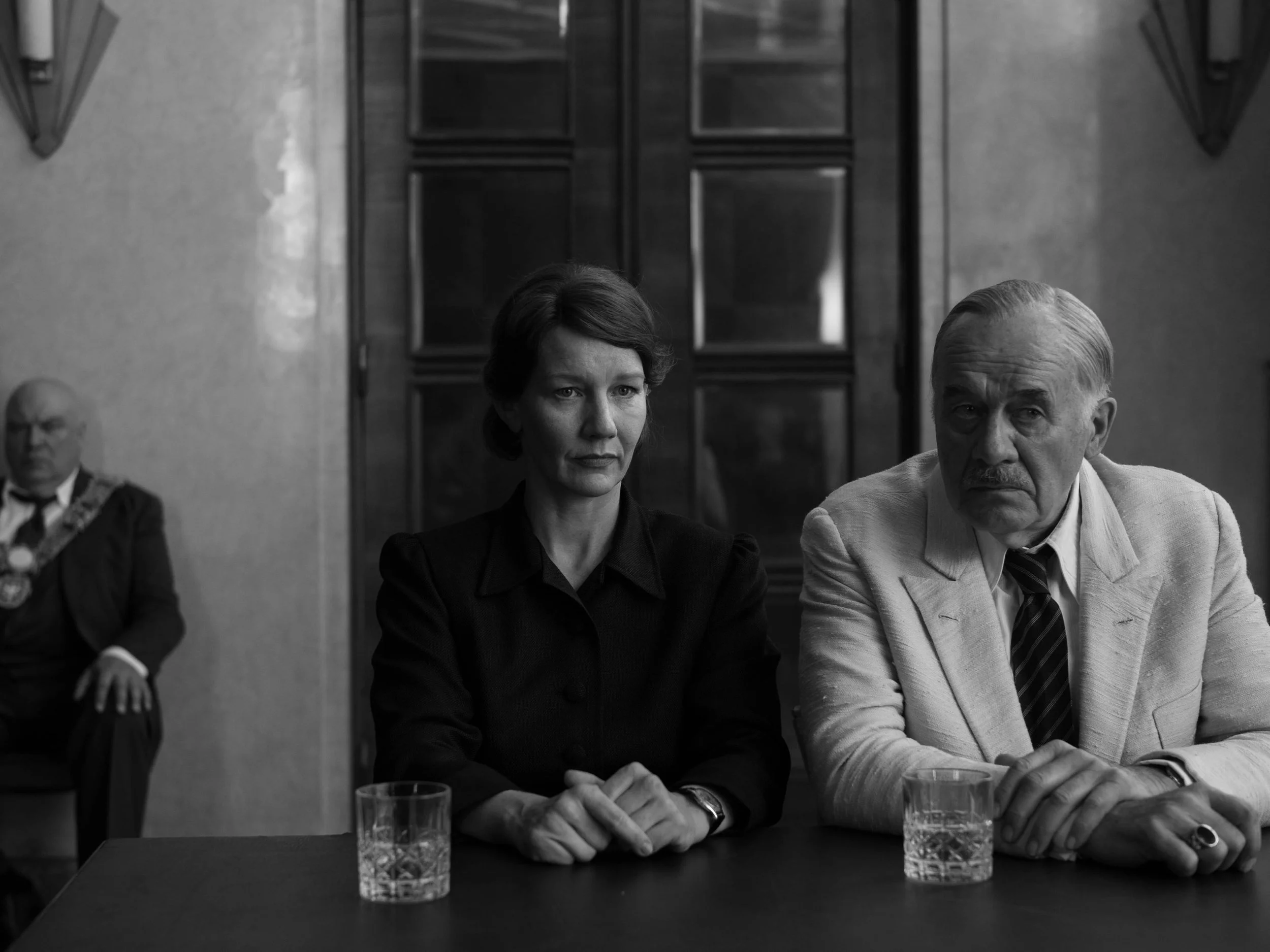
But where that was jazz, this revels in a chorus of patriotic songs with odes to Bach. The story is measured with Huller showing a simmering reservation and a resentment. Everything is double sided, even with would-be friends. Hans Zischler as her father (Thomas Mann) shows a reserve calm that is both highly intelligent and sharp and yet keeps everyone including hid daughter at arm's length. The aspect of an old opera house comes full circle but the balance is in what it represents versus its legacy. At one point there is a groups of drunks singing in the street in Weimar and the one shot that Pawel does of Huller is a wide, not overdone, but heart wrenching. With "Fatherland", Pawlikowski does something inherently different than "Cold War", less romantic for sure and more solemn but decidedly increasingly mature on purpose. Life is a consequence for him and his characters...they speak about things, and what perhaps could have been but they never quite get there either by choice or best intentions. "Fatherland" is in that way about returning home but Pawlikowski builds his world through cinematography and precise direction (especially with Huller) and creates a sense of the family, stable and yet crumbling. A-
By Tim Wassberg