
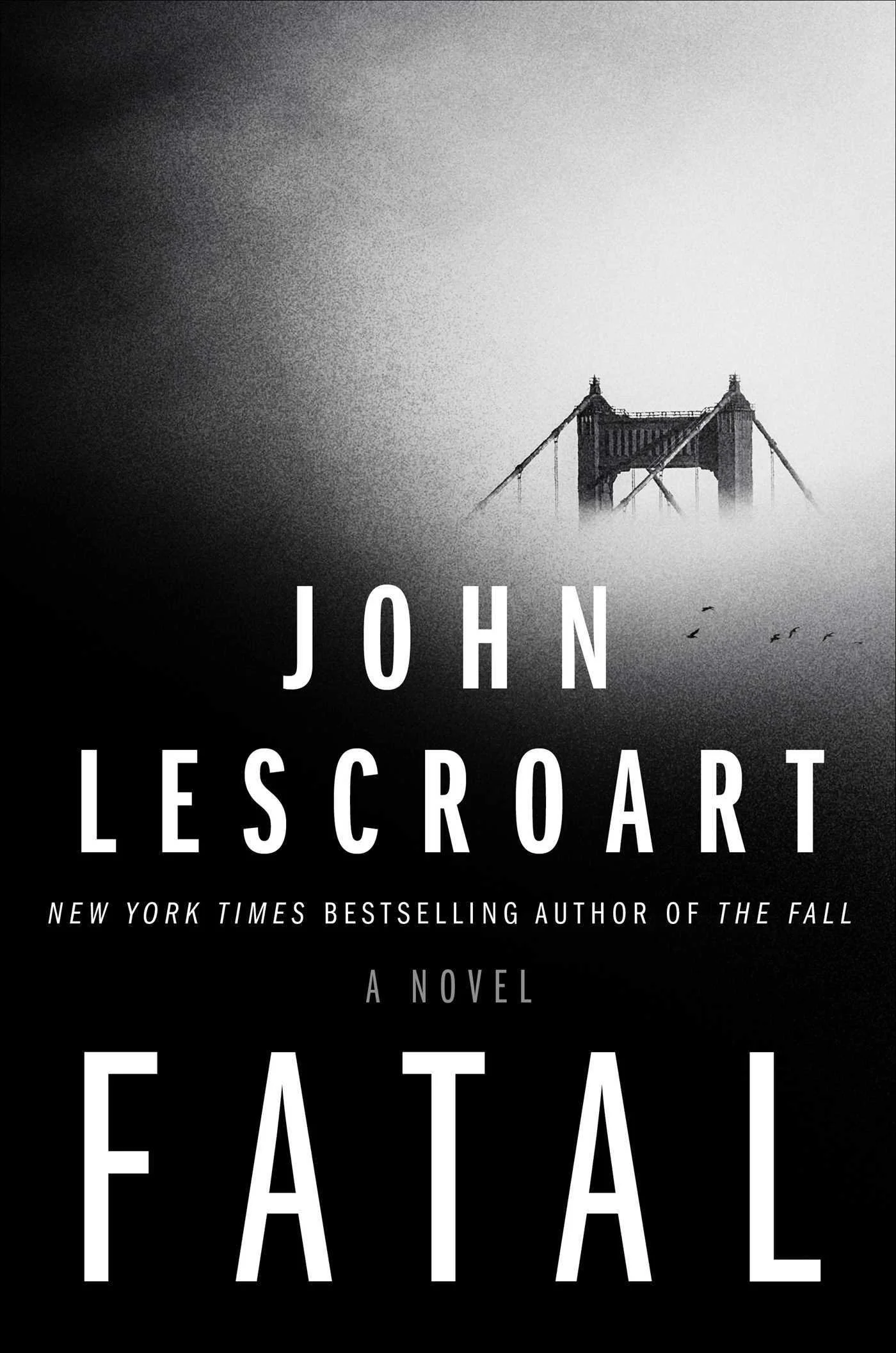
The aspect of noir and infidelity has always gone together. "Fatal" [John Lescroart/Atria/320pgs], while a little pulpy at times, understands that inherent structure though its ultimate resolve becomes more apparent halfway through the book though its resolution does not. The book begins with Kate, a happily married housewife, getting a tingling during a party for a married man Peter that she can’t shake. Her good friend, a police investigator named Beth, urges her against action because it will simply destroy things. But human nature of course does some stupid things. The "one time tryst" side of things (ignorantly on her part) undoes everything. She can compartmentalize at times. He cannot. But the book does a good job at the beginning of jumping around so the narrator’s perspective shifts. And it is well to do so. We see what Peter is going through but again the extreme of the moral compass might have been pushing it for a while. It also doesn't quite integrate that, in a new day and age, people survive divorces and cope well. There are different people here though with multiple axes to grind or protect. It all comes off, even in the dialogue, a little dramatic despite its best intentions. The scorned secretary. The best friend. The angry son. All have motive. Even the landlord who needs a little escape. People can usually see a sinking ship.
Granted there was also business dealings involved. Beth, the cop, seems to be the only one with her head above water, but only barely (to say nothing of a personal life). The crucible act thought comes in the form of a terrorist attack at the Ferry Building which could happen but as a story is just a wrench plot wise. It does provide a time jump to stir the plot more and also shifts timelines...but seems just a little off topic. Beth is the only one with less drama it seems though she gets into some of her own. That side story which involves her, an anorexic (whose own connection to a homicide because of infidelity that killed her married boyfriend) carries a mirror structure but also a love interest in Alan, the anorexic's brother. The author does throw one question in there just to keep the audience guessing. The banter between Beth and her homicide partner Ike is right on point but sometimes instincts are right and sometimes they are wrong. Setting the tome in San Francisco works but beyond the back streets (and definitely one crime scene in the Mission filled with fog), the film doesn’t create any sweeping cinematic elements though there are tips to Hitchcock. The eventual play out makes sense but it is also is nicely done in that it doesn’t wrap everything up in a bow since as a stand-alone novel sometimes authors are pushed to do so. "Fatal" is a metaphor of course in many ways to the downfall of human nature, not because of evil but most of the times of missed opportunities and passion that goes too far for its own good. B-
By Tim Wassberg